Song Meaning
The narrator recounts a harsh lesson learned, framing a relationship's end as a brutal "education." The initial lines suggest a dawning, painful realization about the limitations of affection, specifically that "love might just be an economy." This economic metaphor is then dismantled by the narrator's rejection of ownership and obligation: "We don't own nothing, / We don't owe nothing." This sets up a profound emotional detachment, a deliberate unburdening from the perceived transactional nature of love.
The core tension emerges from a "proclamation" – likely a commitment or declaration of love – that was met with terror. The narrator now questions if the other person grasps the "risk we'd undertaken," implying the relationship was inherently dangerous or doomed from the start. This risk is then vividly illustrated through the shocking image of a deer, a symbol of wild innocence, being killed and its demise met with indifference or even cruelty ("We killed and drove on indecently"). The violent imagery and the other person's scream underscore the destructive nature of their shared experience.
The most striking craft element is the juxtaposition of the abstract concept of "education" with the visceral, violent imagery of the deer. The narrator claims to have received an "education" while the relationship unfolded, but this education isn't about growth or enlightenment; it's about witnessing and participating in destruction. The final, defiant "I'll never change, / You'll never change" solidifies the sense of irreversible damage and mutual, unyielding stubbornness, suggesting the lesson learned is permanent and the relationship's outcome is a fixed, tragic event.
This lyrical approach is effective because it grounds abstract emotional pain in concrete, disturbing imagery. The "economy of love" is a sharp, cynical observation, but the image of the killed deer and the subsequent scream makes the emotional cost devastatingly real. The narrator's final declaration of immutability isn't just resignation; it's a statement of how deeply this "education" has altered them, leaving them permanently scarred and unwilling to revisit or revise the painful truth they've uncovered.
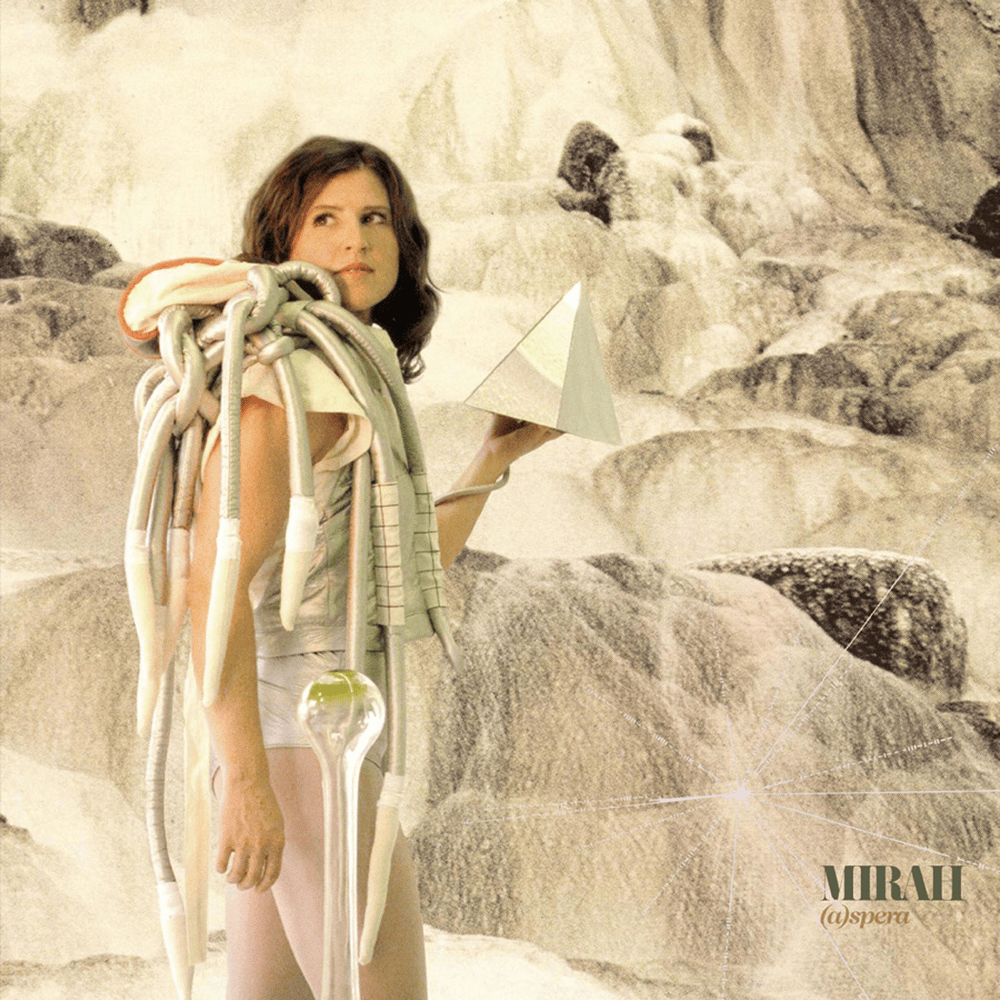
 View Artist