Song Meaning
The lyrics paint a picture of a strained, perhaps one-sided, relationship centered around a figure named Willy. The opening lines, "Is there nothing here?" repeated twice, immediately establish a sense of emptiness or lack. The narrator observes Willy asking for "nothing" but "grass to eat," a simple need, yet even this is framed as something the narrator possesses and keeps, suggesting a power dynamic. The repeated assertion, "Even you know how much / He needs you," hints at Willy's dependence, a dependence that will be tested when Willy is gone, leaving "him" to "pull the wagon."
The central tension revolves around this impending departure and the burden it will place on an unnamed "he." The phrase "pull the wagon" becomes a recurring motif, signifying a heavy, perhaps thankless, task. The narrator seems to find a strange solace in "walking slowly," contrasting with the implied urgency or difficulty of "pulling the wagon." This slow pace is tied to a desire for the "sun will not go down," a wish to prolong a present moment, perhaps to avoid the inevitable future where the wagon must be pulled.
The imagery of donkeys and monkeys in the "dance of the donkeys" adds a layer of almost absurd, primal energy. The narrator's disbelief, "I can't believe what I see," suggests a disconnect between this chaotic performance and the underlying emotional weight of Willy's situation. The repetition of "Willy, this way" and "Fall down nicely" could imply a manipulative or guiding hand, directing Willy through a difficult process, perhaps even encouraging a collapse that is somehow necessary for the "he" to move forward.
Ultimately, the lyrics resonate through their stark portrayal of obligation and dependence. The narrator's focus on walking slowly and the sun not setting suggests a desire to escape the harsh reality of the "pull the wagon" future. The effectiveness lies in the understated depiction of this burden, leaving the listener to ponder the nature of the relationships and the emotional cost of "pulling the wagon" when someone is gone.
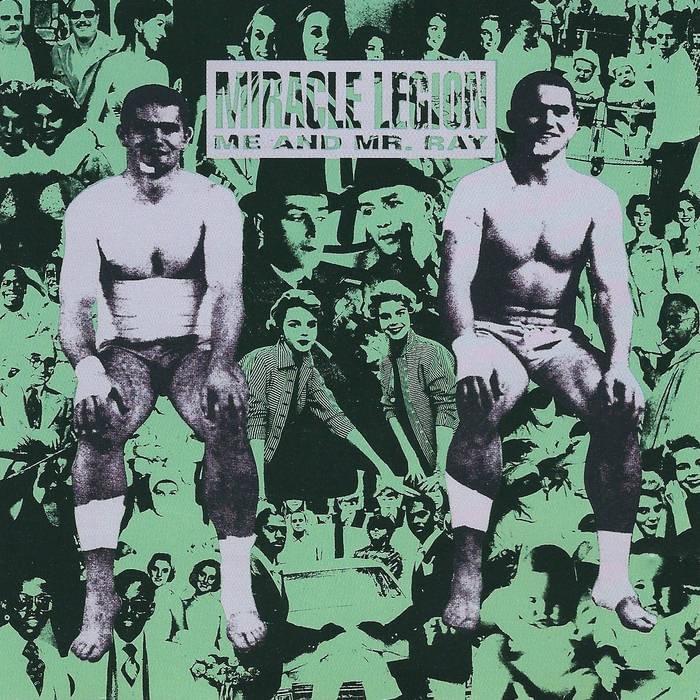
 View Artist