Song Meaning
The narrator finds themselves in a state of profound internal conflict, wrestling with a "different self opinion" that leaves their mind adrift. This confusion is amplified by a perceived communication breakdown, where crucial information always seems to be withheld, leading to a decision to self-silence. The repeated phrase, "there's always that one thing that you forget to say," highlights a recurring frustration with incomplete guidance, making open communication feel like a minefield. This sense of being set up for failure fuels a desire to withdraw, first from speaking and then from venturing out alone.
The core tension arises from the narrator's perceived obligation to navigate a "crooked path" while feeling ill-equipped due to missing information. They express a desire for a "new vision" or "new idea" but immediately reject it, suggesting an internal struggle against change or a fear of pursuing personal growth without proper direction. The mission to "straighten up the crooked path" becomes a heavy burden, especially when the rules for doing so are never fully disclosed.
The most striking aspect of the writing is the stark contrast between the desire to act – to try, to go outside, to have a new vision – and the paralyzing fear of doing so incorrectly. This is encapsulated in the repeated refrain, "That's why I better not talk out loud today" and "That's why I better not go outside today." The narrator’s internal monologue reveals a deep-seated anxiety about missteps, driven by the feeling that they are always missing a vital piece of the puzzle.
Ultimately, the lyrics resonate because they capture the isolating experience of feeling lost and misunderstood, particularly when facing challenges that require clear instruction. The repeated emphasis on what is *forgotten* or *unmentioned* creates a powerful sense of being set up to fail, making the narrator's retreat into silence and isolation a deeply understandable, albeit melancholic, response to an unfair game.
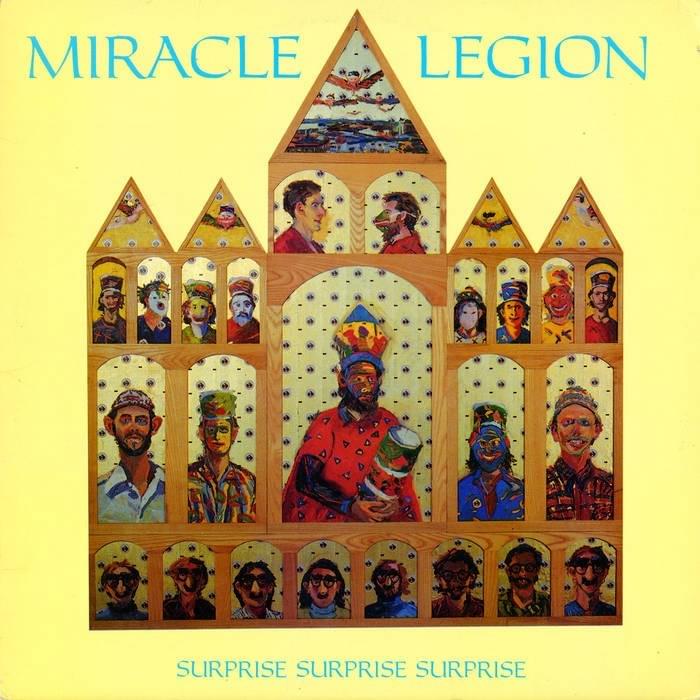
 View Artist