Song Meaning
The lyrics paint a picture of a solitary figure, the "Rain Man," who feels fundamentally out of place in the human world. Initially a tiny drop, the narrator recounts being tossed by winds and mixed with the earth, suggesting a natural, elemental origin. This transition to interacting with people brings disillusionment, as the narrator "faced lies" and "got used to games," hinting at a loss of innocence and a growing cynicism about human nature. The repeated warning, "They said you learned / Don't trust a man from the earth / Malice is mixed in his blood / He deceives in an instant," underscores a deep-seated distrust of those rooted in the earthly realm, implying the narrator feels inherently different and vulnerable to their deceit.
The core tension lies in this perceived incompatibility between the narrator's essence and the human environment. The phrase "I can't live in this place / My body dries up in this world" powerfully conveys this feeling of existential drought and suffocation. The narrator longs for their origin, "You miss the sky / You search for the clouds," indicating a yearning for a return to a more natural, perhaps purer, state of being, away from the corrupting influences of human interaction. This creates a poignant sense of alienation and a desperate need for belonging elsewhere.
The recurring identity of "Yağmur Adam" (Rain Man) and the self-description "a drop of water, soaking wet" is a striking piece of craft. It personifies the narrator as a transient, elemental force, constantly in flux and saturated with an essence that doesn't quite fit the dry, deceptive world they inhabit. This imagery suggests a person who is perhaps too sensitive, too pure, or simply too different to thrive among those who are "mixed with the earth." The repetition of this identity in the chorus reinforces the narrator's self-definition and their feeling of being perpetually drenched in a state of being that isolates them.
This lyrical construction is effective because it grounds abstract feelings of alienation and disillusionment in concrete, evocative imagery. The contrast between the elemental, fluid nature of water and the static, deceitful nature of the "man from the earth" creates a powerful emotional resonance. The narrator's repeated assertion of their identity as the "Rain Man" serves as both a lament and a declaration, highlighting the profound sense of otherness that makes their existence in the human world feel unsustainable and deeply melancholic.
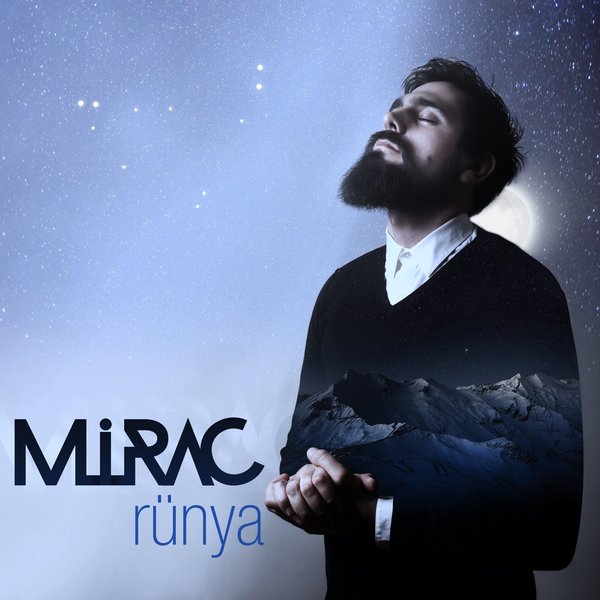
 View Artist