Song Meaning
The lyrics paint a stark picture of a narrator severing ties, not just with a person, but with the very memories of a past connection. There's a fierce, almost defiant self-command at play. The speaker is actively trying to erase a former lover, even from their own body's memory.
The core tension lies in this internal battle: the "proud" eyes, lips, and hands are commanded to resist the pull of a past love. It's a fight against the body's natural inclination to remember, to yearn, to seek comfort. The narrator is essentially trying to reprogram themselves.
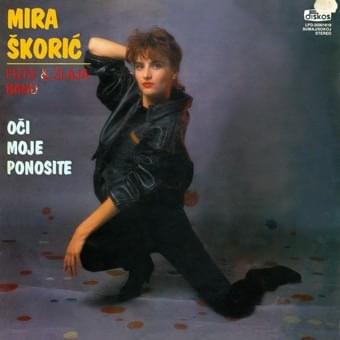
The most striking craft choice is the direct address to the narrator's own body parts – "Oči moje, ponosite" (My eyes, proud ones), "Usne moje, ponosite" (My lips, proud ones), "Ruke moje, ponosite" (My hands, proud ones). This personification externalizes the internal struggle, turning the narrator's own senses into allies in a war against remembrance. The subtle shift in "Oči što su tako brzo" (Eyes that so quickly) is also powerful, initially seeming to refer to the narrator's own eyes, but then revealing the pain of being forgotten by the *other's* eyes.
These lyrics hit hard because they capture the raw, almost desperate act of self-preservation after a deep wound. The narrator isn't passively heartbroken; they are actively, fiercely commanding their own being to forget and defy. The final image of the former lover "U daljini, negde smeje" (In the distance, somewhere laughs) provides a potent justification for this extreme self-control, transforming the pain into a defiant, unyielding pride.
 View Artist