Song Meaning
The lyrics paint a poignant picture of human emotions mirrored in the seemingly indifferent reeds swaying in the wind. Initially, the reeds are personified as playing with the "wind of love," yet they possess no sensory organs or emotional capacity – "no eyes, no heart." This sets up a core tension: the projection of human experience onto an unfeeling natural element. The narrator immediately links this state to themselves and a lover, declaring, "We are reeds in the wind." This isn't a gentle sway, but a shared "torment of a moment."
The central conflict emerges as the narrator feels the relationship's inevitable end. The reeds, described as fighting the "breath of destiny" and waiting for the morning sun, endure their fate without protest. The lyrics suggest their suffering, their "pain and their evil," transforms into a song. This transformation, however, is framed by the reeds' inherent lack of feeling – they break "without a cry." This stark contrast between the reeds' silent suffering and the narrator's own emotional turmoil highlights the painful awareness of a relationship's demise.
The most striking craft element is the extended metaphor of the reeds. They are simultaneously objects of projection and a stark reminder of the narrator's own vulnerability. The reeds "play with the wind of love" but have "no face, no mouth, no hours," emphasizing their detachment. Yet, the narrator insists, "We are reeds in the wind," trapped in a similar, albeit felt, state of being tossed by forces beyond their control. The transformation of the reeds' pain into a "song" is particularly resonant, suggesting that even in the face of heartbreak, something beautiful or at least expressive can emerge, even if the source itself feels nothing.
Ultimately, these lyrics resonate because they articulate the feeling of being helplessly adrift in emotional currents, much like the reeds are tossed by the wind. The narrator's acute awareness of the relationship's end, coupled with the imagery of the reeds' silent, unfeeling struggle, creates a profound sense of shared, yet isolated, suffering. The transformation of pain into song offers a fragile glimmer of hope or at least a means of processing, even as the narrator acknowledges the finality: "I feel it's over between us."
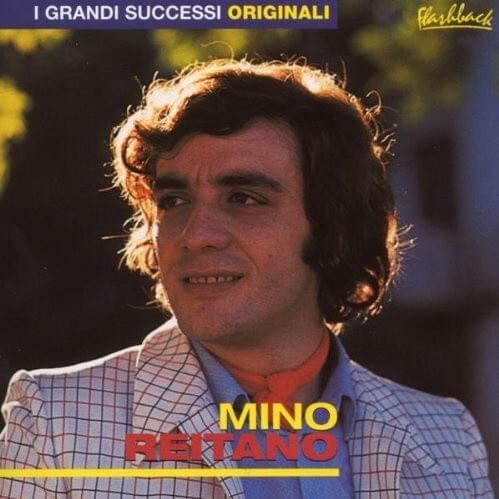
 View Artist