Song Meaning
Minnie Driver’s “Cold Dark River” isn't a casual dip; it’s a baptism of fire and ice, a reckoning with a love that’s as much a lifeline as it is a slow poison. The opening lines paint a stark dichotomy: the world ablaze, vibrant and alive, while the object of the singer's affection remains mired in a “blue” state – a potent symbol of sadness and stagnation. Driver isn't offering a simple tale of heartbreak; she’s dissecting the complex dance of empathy and self-preservation. She acknowledges her own growth (“I’m better than I used to be”), a hard-won ascent from her own metaphorical knees, yet recognizes the limits of her ability to rescue another. This isn't callousness, but a mature understanding of personal boundaries in the face of someone else's suffering.
The recurring image of the “cold dark river” is the crux of the song's meaning. It represents a descent into despair, a self-destructive consumption of negativity. The warning, “Don’t let it bring you downstream / You’re drinking all of that cold dark river,” underscores the peril of succumbing to this darkness. The speaker recognizes the beloved's struggle but also the agency they possess in choosing whether to drown in it. Simultaneously, the lyrics reveal an inescapable connection. Even as the singer asserts her own healing, she admits, "Can't shake you / You're there in everything I know / You're staring out from my soul." The person is woven into the very fabric of her being, appearing in “every song I sing,” a haunting reminder of an attachment that transcends physical presence.
The repeated plea, “Oh, love come down on me / Tell my heart to set me free,” is a desperate yearning for release. It's not necessarily a rejection of the love itself, but a plea for the *power* of love to dissolve the chains of codependency and shared suffering. The “mountains” that “I should have learned” speak to lessons missed, perhaps opportunities to navigate the relationship with greater wisdom and resilience. Ultimately, "Cold Dark River" is a sophisticated exploration of love's shadow side: the burden of empathy, the struggle for self-preservation, and the enduring echoes of connection that linger long after the tide has turned.
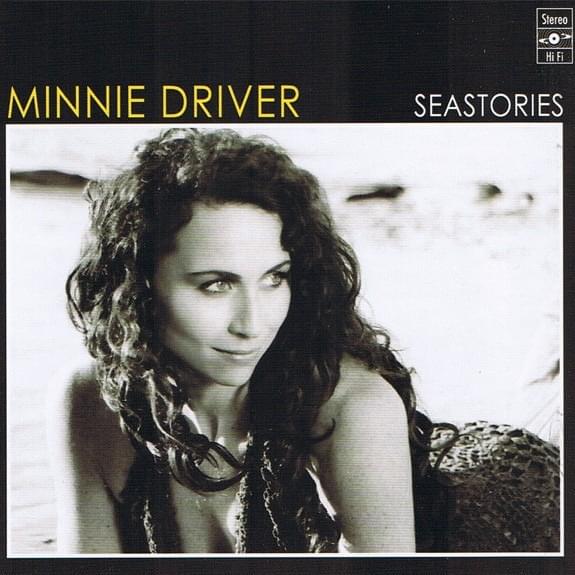
 View Artist