Song Meaning
The lyrics present a surreal, almost absurd scenario: a Japanese woman living secretly in the narrator's closet, consuming their food. This bizarre setup immediately establishes a tone of unease and mystery, hinting at a deeper, unspoken issue. The narrator's reaction isn't one of alarm or anger, but a desperate hope that she'll return after she's gone, revealing a profound dependency or perhaps a projection of their own internal state onto this phantom figure. The opening lines, "There's a Japanese woman that lives in my closet / Eats up all my food when she thinks I'm at the office," set a peculiar stage for a narrative that feels less about a literal lodger and more about a psychological manifestation.
The central tension arises from the narrator's conflicting emotions after the woman disappears. They express a deep sense of loss and confusion, questioning "Why do you wanna hurt me?" and "How could I ever go on?" This suggests the woman, despite her strange presence, represented something vital to the narrator. The repeated question, "Have you gone and lost your mind? / Why'd you let her stay so long? / Now you're all alone," seems to be directed at the narrator, perhaps by an external voice or their own internal monologue, highlighting the irrationality of their attachment and the inevitable loneliness that follows.
The introduction of the brother returning from Japan adds another layer of complexity and potential metaphor. He arrives "a shattered excuse for a man," with his "sun is broken," and expresses a desire to stay in Japan, cutting off contact. This mirrors the narrator's own sense of loss and isolation, but the connection remains ambiguous. Is the brother's breakdown related to the woman? Or does his experience in Japan represent a different kind of cultural displacement or personal ruin that the narrator is projecting onto their own situation? The lyrics suggest a pattern of fractured relationships and profound loneliness affecting the family.
Ultimately, the effectiveness of these lyrics lies in their unsettling ambiguity and the way they use a fantastical premise to explore themes of dependence, loss, and isolation. The narrator's desperate longing for the "Japanese woman" who lived in their closet, coupled with the brother's broken return from Japan, creates a potent emotional landscape. It’s a narrative that feels deeply personal yet universally resonant in its depiction of how we can become attached to even the most unconventional or imagined sources of comfort, and the devastating void left when they vanish.
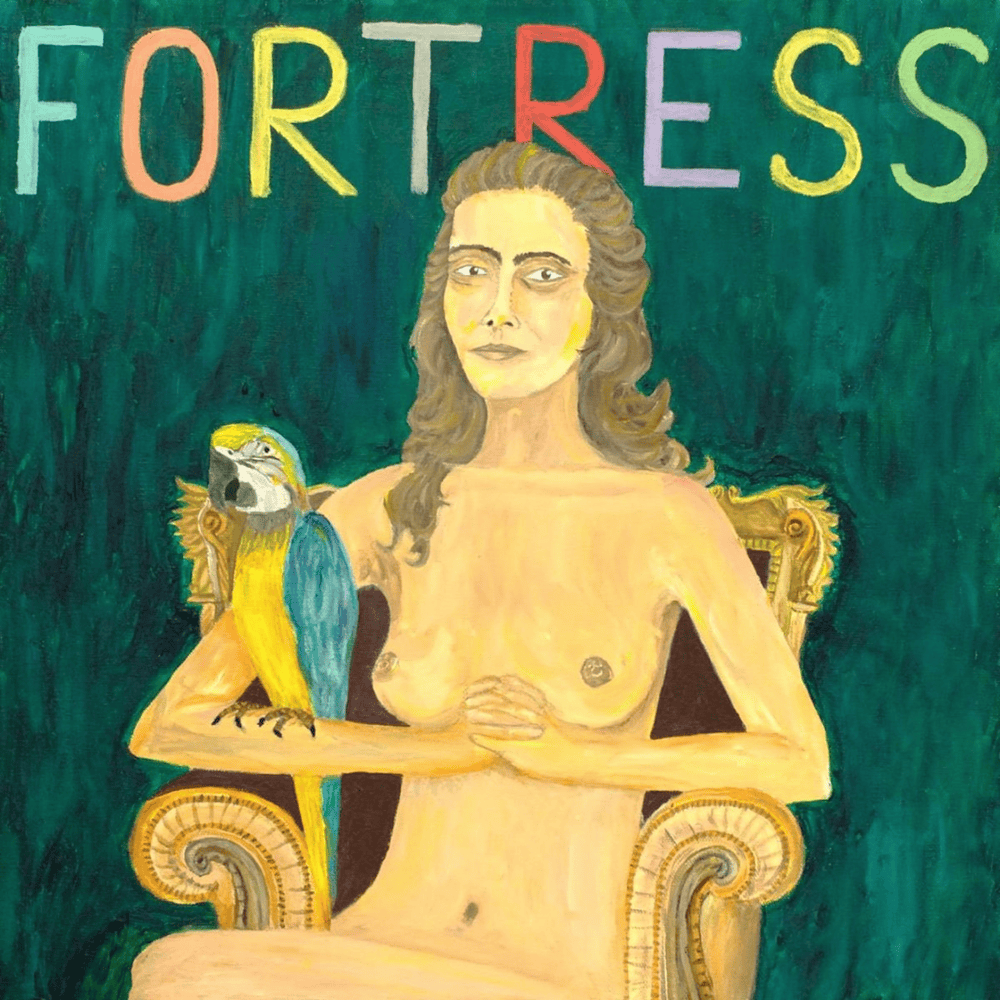
 View Artist