Song Meaning
The lyrics burst with an infectious, uncontainable energy, centered around the irresistible urge to dance. Phrases like "Obá Obá Obá" and "Ô ária raiô" create a vibrant, percussive soundscape that immediately pulls the listener into a celebratory mood. The core message is simple yet powerful: when the samba is this lively, nothing else matters but joining the dance. It's an invitation to let go and move to the rhythm, a pure expression of joy.
The central tension, if you can call it that, is the sheer force of the music compelling action. The repeated command, "Sai da minha frente que eu quero passar" (Get out of my way, I want to pass), isn't aggressive but rather an urgent declaration of intent. The narrator is so caught up in the "animado" (lively) samba that they must move, and nothing, not even obstacles, can stop them. This highlights the overwhelming power of the music to dictate movement and emotion.
The lyrics cleverly describe the samba's unique character, calling it "misto de maracatú" and "samba de preto velho." This suggests a rich, layered musical tradition, blending different styles and histories. The phrase "Mas que nada" itself, meaning "no way" or "nothing like it," functions as a dismissive yet appreciative exclamation. It's a way of saying, "You won't believe how good this is," or perhaps, "There's no stopping this feeling."
What makes these lyrics so effective is their directness and the way they evoke a physical response. The focus is entirely on the present moment and the sensory experience of the music. The repetition of "Obá Obá Obá" and the insistent rhythm create a hypnotic effect, mirroring the trance-like state of being lost in dance. It’s a celebration of rhythm and movement that transcends language, proving that sometimes, the most profound feelings are expressed through pure, unadulterated sound and motion.
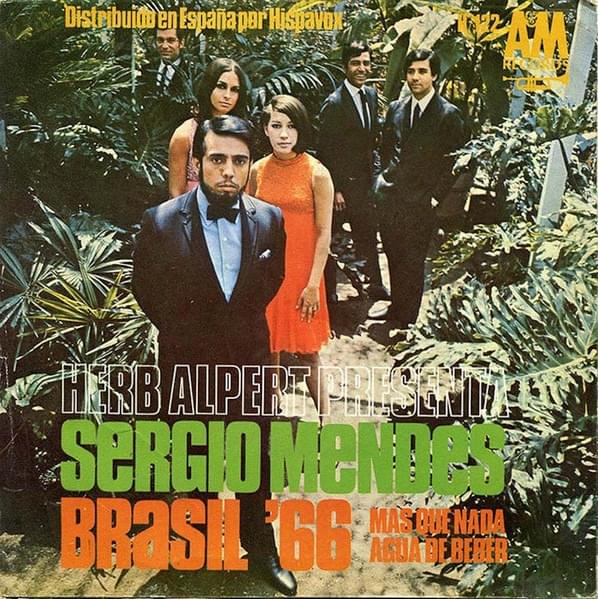
 View Artist