Song Meaning
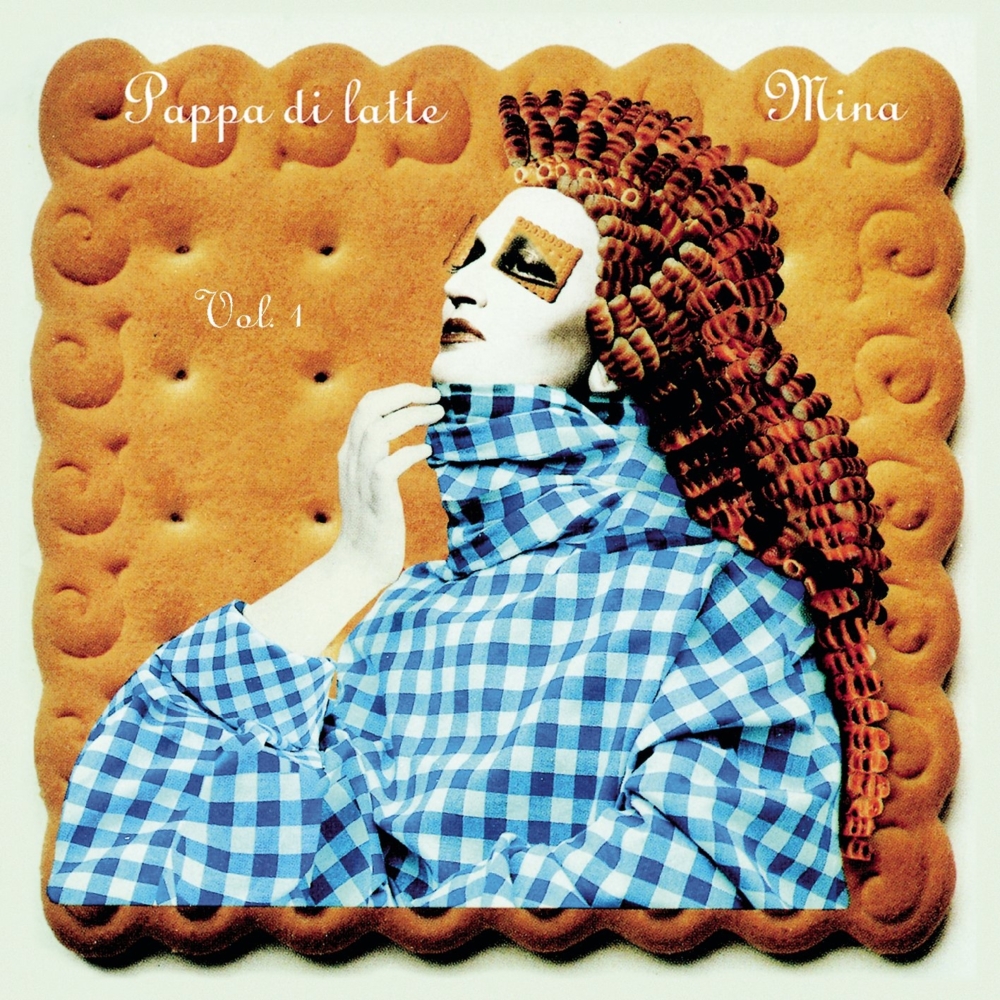
Mina's rendition of "They Can't Take That Away From Me" isn't just a cover; it's a masterclass in melancholic preservation. The song, at its core, is a defiant act of remembrance, a staking of claim on the interior landscape forged by a past relationship. It acknowledges loss—'We may never never meet again'—but refuses to surrender the intimate details, the seemingly insignificant quirks that defined the connection. These aren't grand gestures of romance, but the subtle, idiosyncratic markers of shared experience: the way you wear your hat, the way you sip your tea. Mina understands that these details, often overlooked, are the very building blocks of lasting emotional architecture. The repetition of 'No, they can't take that away from me' functions as a mantra, a bulwark against the erasure that time and distance inevitably attempt.
The genius of the lyrics lies in their specificity. Rather than broad declarations of love, we get granular observations: 'The way you sing off key,' 'The way you hold your knife.' These are not idealized portraits, but honest snapshots, capturing both endearing imperfections and transformative moments ('The way you changed my life'). The 'bumpy road to love' suggests a relationship not without its challenges, yet these imperfections only serve to deepen the sense of authenticity and resilience that permeates the song. It's a mature perspective, acknowledging that love isn't always smooth sailing, but that even in its turbulent moments, it leaves an indelible mark.
Mina's interpretation transforms the song into an ode to the power of individual memory. It’s a recognition that while external circumstances may shift and relationships may dissolve, the internal world – the curated museum of shared moments – remains inviolable. The song meaning transcends simple nostalgia; it becomes an assertion of selfhood, a declaration that one's identity is inextricably linked to the experiences, however fleeting, that have shaped it. In refusing to relinquish these memories, the singer reclaims agency, transforming loss into a source of enduring strength. It's a poignant reminder that even in the face of absence, the echoes of connection can resonate indefinitely.
 View Artist