Song Meaning
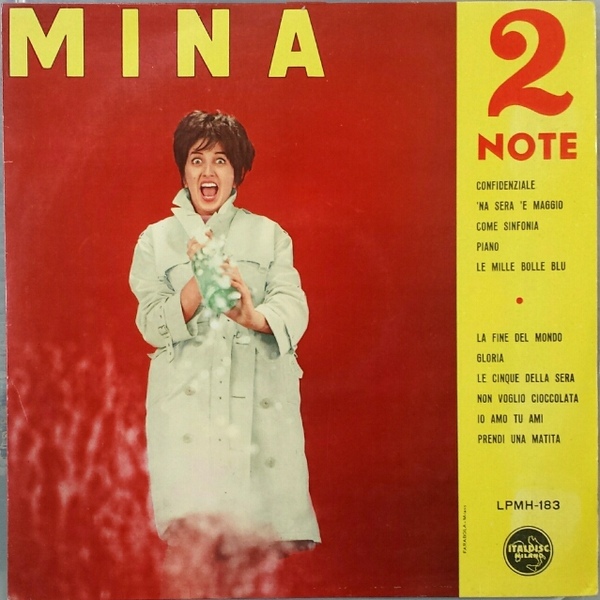
Mina's 'Na sera 'e maggio' isn't just a song; it's a masterclass in Italian melodrama, distilled into a potent shot of romantic anguish. Sung in Neapolitan dialect, the track bleeds with the specific pain of broken promises and fading affection. The scene is set: a lover's rendezvous gone sour. The narrator observes her partner's detachment – eyes wandering to the sea and the leaves, responses muted, mind elsewhere. This isn't a sudden explosion of heartbreak; it's the slow, agonizing realization of being forgotten, despite the narrator's unwavering devotion. The stark contrast between her enduring love and the partner's wandering eye forms the core tension.
The chorus hits like a punch to the gut. The simple phrase, "Quanno se dice 'Sì'" ("When you say 'Yes'"), carries the weight of shattered commitment. It's a plea for accountability, a reminder that words have consequences, especially in the fragile ecosystem of the heart. The rhetorical question, "Tu mme diciste 'Sì' 'na sera 'e maggio / E mo' tiene 'o curaggio 'e mme lassà?" ("You said 'Yes' one May evening / And now you have the courage to leave me?") isn't merely a question; it's an accusation, dripping with betrayal and disbelief.
'Na sera 'e maggio' taps into a universal fear: the fear of being unloved, of becoming a ghost in the eyes of someone who once saw you as their entire world. The specific setting—a May evening, a time typically associated with blossoming romance—only amplifies the sense of loss. It's a sophisticated exploration of how easily 'yes' can turn into 'goodbye', and how the memory of a single, fateful promise can haunt a broken heart long after the spring has faded.
 View Artist