Song Meaning
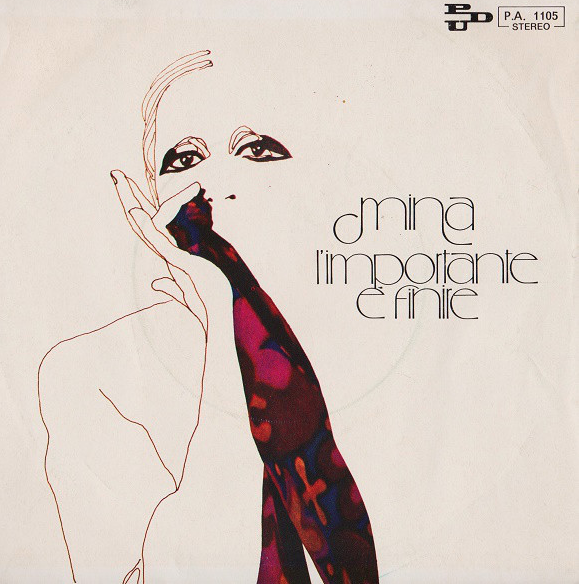
Mina's "L'importante è finire" (The Important Thing Is to Finish) dives headfirst into the messy, often contradictory landscape of desire and relationship fatigue. The song pulses with a dark, almost theatrical tension, playing out like a miniature bedroom drama. The opening lines paint a picture of familiar routine: he enters, throws himself onto the bed, and the narrator anticipates the well-worn moves of their physical intimacy. But beneath the surface simmers a potent ambivalence. The repetition of "e poi, e poi, e poi" underscores the feeling of being trapped in a cycle, a sense of inevitability tinged with weariness. She feels his touch, her legs tremble, yet her mind races with thoughts of escape. The line "ho deciso, lo mollo" (I've decided, I'm dumping him) is immediately undermined by the hesitant "Ma non so se poi farlo o lasciarlo soffrire" (But I don't know whether to do it or let him suffer). This internal push-and-pull becomes the core of the song's meaning.
The chorus, with its brutally honest refrain "L'importante è finire," encapsulates the central conflict. Is she referring to finishing the act itself, or finishing the relationship? The ambiguity is deliberate, suggesting both a detached, almost cynical view of sex as a mere obligation and a desperate desire to reach some kind of resolution, any kind of closure. The second verse amplifies the sense of emotional turmoil. She observes him, noting his "talento da grande lui nel fare l'amore" (great talent in making love), yet the act itself seems devoid of genuine connection. The line "Questa è l'ultima volta che lo lascio morire" (This is the last time I let him die) hints at a pattern of emotional manipulation, a power dynamic where she holds the keys to his vulnerability.
The final chorus intensifies the drama. She whispers "Ti amo" (I love you) amidst his "violento il respiro" (violent breath), a moment of performative intimacy that feels both hollow and charged with a desperate need for connection. The closing line, "Io non so se restare o rifarlo morire" (I don't know whether to stay or make him die again), leaves the listener suspended in uncertainty. Ultimately, "L'importante è finire" isn't just about the act of finishing, but about the complex and often painful negotiation of desire, obligation, and the elusive search for meaning within a relationship that may have already run its course. It's a raw, unflinching exploration of the human heart's capacity for both love and detachment.
 View Artist