Song Meaning
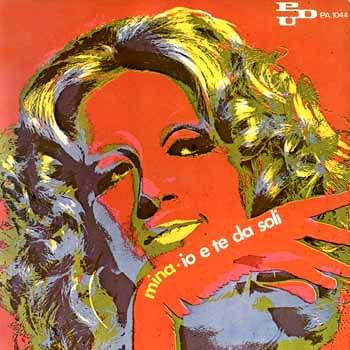
Mina's "Io e te da soli" isn't merely a song; it's a raw nerve exposed, a stark portrayal of codependency teetering on the edge of annihilation. The title, translating to "You and Me Alone," becomes a chilling mantra, a phrase the singer desperately begs not to hear. It’s a paradox – the intimacy of two souls intertwined so tightly that separation equates to death, yet that very closeness is suffocating, a slow, agonizing demise. The opening verses paint a picture of emotional fragility. The singer is already "dying" just from the suggestion of being alone, questioning for whom she cries and prays if abandoned. It's a vulnerability bordering on self-destruction, hinting at a relationship where identity is entirely subsumed by the other. This isn't love; it's a hostage situation of the heart.
The chorus offers a sliver of hope amidst the despair. Pleading for pity and charity, the lyrics suggest that love, though dormant, might still reside within the partner's heart. "If there's silence in your heart, love sleeps," she sings, urging them to let it dream, confident it will awaken. But even this hope is tinged with desperation, a fragile wish clinging to the possibility of rekindling what seems lost. The repetition of "Ma io e te da soli / Non devi dirlo mai" ("But you and me alone / You must never say it") underscores the terror of abandonment, the absolute refusal to confront the reality of separation.
The second verse plunges into even darker territory. The singer declares she would die tonight, unable to live without her partner. However, the most devastating line reveals a shared fate: "What hurts me more is that I know that tomorrow, tomorrow you would die too." This isn't just about personal loss; it's a mutual suicide pact, a recognition that their identities are so interwoven that one cannot exist without the other. The song meaning, therefore, transcends a simple breakup anthem. It's a psychological portrait of two individuals trapped in a toxic cycle of dependence, where love has morphed into a suffocating force, and the prospect of being alone is more terrifying than death itself. Mina's delivery, no doubt, amplifies this sense of impending doom, transforming a simple phrase into a chilling premonition.
 View Artist