Song Meaning
Mina's "Io e te" isn't a static portrait of a relationship; it's a volatile weather system. The opening lines immediately establish a dynamic, transformative force: "Io e te siamo quei venti / Che cambiano i deserti" (You and I are those winds / That change the deserts). This isn't about cozy domesticity, symbolized by the repeated "sotto abat-jour" (under lampshades); it's about something far more exposed and potentially vulnerable, "senza più paura / Di rimanere spogli" (without fear / Of remaining bare). The lampshade, a classic symbol of sheltered intimacy, is subverted, suggesting a willingness to exist outside those conventional boundaries. The song's core seems to be about embracing change and shedding the weight of instability.
The repeated question, "E poi dimmi se ci sei / Se ti alzi e poi / Togli il peso dei tuoi giorni instabili" (And then tell me if you are there / If you get up and then / Take away the weight of your unstable days), acts as both an invitation and a challenge. It suggests a reliance on the other person's presence and active participation in this transformative process. The promise of hearing the sea and something that will "scontornerà i tuoi limiti" (blur your limits) hints at the potential for freedom and self-discovery that comes with embracing this instability. It's about pushing beyond the confines of the self, aided by the other.
Ultimately, "Io e te" presents a vision of a relationship not as a safe harbor, but as a catalyst for personal evolution. It's a demanding kind of love, one that requires courage and a willingness to confront one's own limitations. The desert imagery is key: deserts are harsh, unforgiving environments, but also places of stark beauty and profound transformation. Mina suggests that true connection lies not in avoiding discomfort, but in facing the elements together, becoming something new in the process. The song's meaning resides in the power of mutual growth through shared vulnerability.
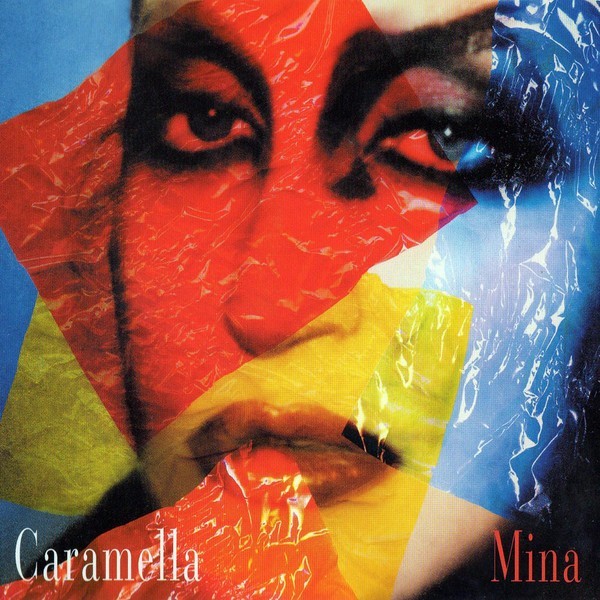
 View Artist