Song Meaning
Mina's "Bella senz'anima" isn't just a kiss-off; it's a scorched-earth declaration of independence from a relationship built on artifice. The opening lines establish a power dynamic shift: no more interruptions, the truth will be told. The singer indicts the entire relationship as "inutile"—useless—a damning assessment delivered with chilling detachment. There are no tears, no excuses, just a clean break from a "trap." The almost theatrical gesture of offering the ex-lover to the "next" victim underscores the singer's contempt. The line "Povero diavolo, che pena mi fa!" drips with a mixture of pity and disdain for the man who will inevitably fall prey to her charms.
The song's analysis deepens as Mina dissects the ex-lover's manipulative tactics. The reference to her performance in bed, "Glielo concederai, perché tu fai così," and her talent for feigning intimacy reveals a core accusation: that her love was transactional, a performance rather than a genuine connection. The acknowledgment, "E adesso so chi sei e non ci soffro più," marks the pivotal moment of disillusionment and liberation. The singer is no longer blinded by the illusion.
"Bella senz'anima" culminates in a final, brutal confrontation. The command, "E adesso spogliati come sai fare tu," carries a double meaning: a literal undressing, but also a stripping away of all pretense. The singer knows her allure, but he claims immunity to it: "Ma non illuderti, io non ci casco più." The closing line, "Tu mi rimpiangerai, bella senz'anima," is not a plea or a hope, but a confident prediction. The singer understands that her emptiness, her lack of soul, will ultimately be her downfall, and his freedom. This Mina track is a complex portrait of heartbreak, betrayal, and the hard-won wisdom of escaping a toxic relationship. It’s a masterclass in Italian pop drama.
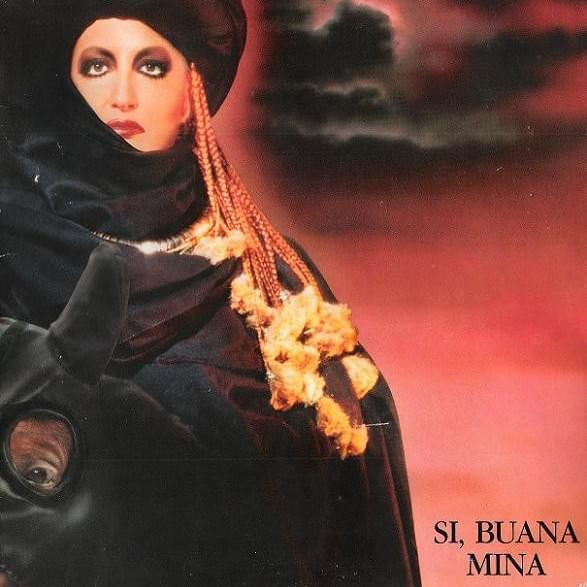
 View Artist