Song Meaning
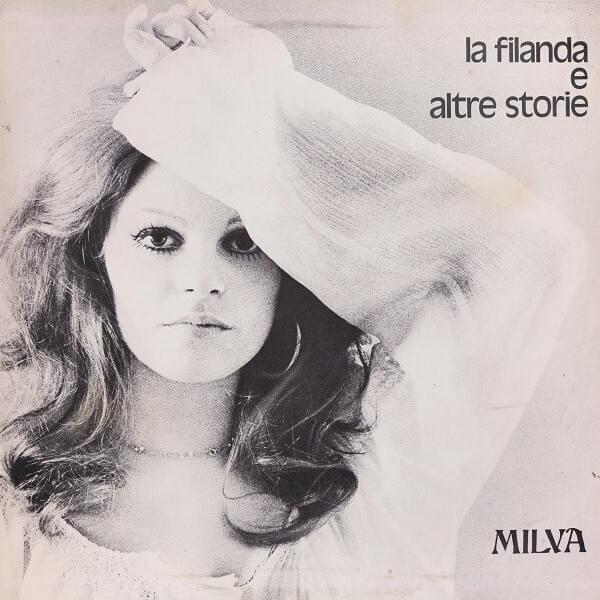
Milva's "La Filanda" isn't just a song; it's a raw, operatic dissection of class, desire, and the brutal realities of love under economic oppression. Set against the backdrop of a filanda – a silk mill – the song's meaning unravels like the very threads being spun. The protagonist, a worker in the mill, lays bare the core of her exploitation. It's not merely physical labor; it's the emotional toll of a forbidden affair with the mill owner's son. Her repeated questioning – "Cos'è, cos'è?" (What is it, what is it?) – echoes the bewilderment of someone caught in a system she barely understands, yet one that dictates her fate. The lyrics paint a picture of a woman pregnant and abandoned, grappling with the consequences of a love that dared to cross social boundaries. The refrain, "Ahi l'amore, ahi l'amore che cos'è" (Ah, love, ah, what is love?), drips with both pain and cynical awareness. Love, once seemingly all-consuming, now appears as a cruel trick, a weapon wielded by the privileged.
The song lyrics subtly highlight the psychological manipulation inherent in such power dynamics. The protagonist recalls being told, "Tu non vivevi senza me" (You couldn't live without me), a classic line of emotional dependency now revealed as a lie. This line underscores how the illusion of love was used to exploit her vulnerability, blurring the lines between genuine affection and calculated control. Milva doesn't shy away from acknowledging the protagonist's own agency, however limited. The lines "Se l'amore si fa in due / Di queste colpe sue / Ne ho anch'io la metà" (If love is made by two / Of these faults of his / I also have half) display a mature reckoning with her choices, refusing to cast herself solely as a victim. This adds a layer of complexity, recognizing that desire, even in unequal circumstances, involves shared responsibility.
Ultimately, the true song meaning of "La Filanda" resides in its stark portrayal of systemic injustice. The filanda becomes a metaphor for the world itself: "Tutto il mondo è una filanda / C'è sempre chi comanda / E chi ubidirà" (The whole world is a silk mill / There is always someone who commands / And someone who will obey). This realization marks a shift from personal heartbreak to a broader understanding of social hierarchy. The "cuore di cotone" (heart of cotton) attributed to those like her suggests a perceived lack of feeling or worth in the eyes of the ruling class. Milva's rendition transforms a personal tragedy into a powerful indictment of a society that perpetuates inequality, leaving the listener to ponder the enduring question: what is the true cost of love in a world rigged against the vulnerable?
 View Artist