Song Meaning
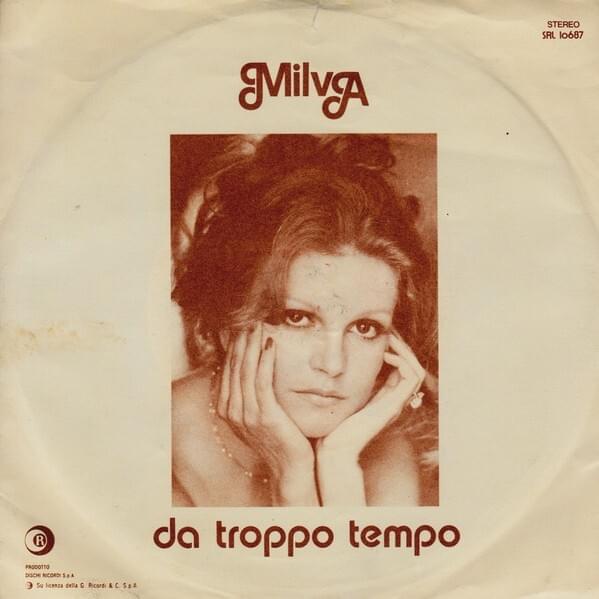
Milva's "Da troppo tempo" isn't merely a breakup song; it's a dissection of emotional stagnation and the slow-motion unraveling of a relationship. The opening lines, confessing self-neglect, immediately frame the narrative as one of personal erosion, not just romantic disappointment. There's a weariness in her voice – a sense of being surprised by her own apathy. The accusation, "Se c'è chi ha colpa quello sei tu" (If anyone is to blame, it's you), isn't delivered with rage, but with the quiet resignation of someone who's finally identified the source of their malaise. The lyrics paint a picture of a partner who, through some combination of emotional unavailability and perhaps unintentional dominance, has stifled her spirit.
The heart of the song meaning lies in the push and pull between wanting to connect and the crushing realization of incompatibility. She acknowledges her efforts – "Io vorrei venire incontro a te" (I would like to meet you) – but recognizes the futility of trying to bridge the gap with someone so deeply entrenched in their own introversion. The repeated line "Da troppo tempo" (For too long) acts as a lament, underscoring the extended period of emotional drought she's endured. The admission that their connection remains primarily physical is a brutal assessment, highlighting the emptiness that has replaced genuine intimacy. It speaks volumes about the transactional nature their relationship has devolved into, a hollow substitute for the emotional nourishment she craves.
Ultimately, "Da troppo tempo" is about recognizing when to sever ties, even when a part of you wants to cling to the familiar. The final verses mark a turning point, a conscious decision to break free from the cycle of disappointment. The line "Io me ne vado...è meglio!" (I'm leaving...it's better!) is not a triumphant declaration of independence, but a weary acknowledgement that sometimes, the only way to heal is to walk away. The song captures the bittersweet reality of leaving a relationship not because of hatred or anger, but because of the slow, suffocating realization that it's no longer serving your soul.
 View Artist