Song Meaning
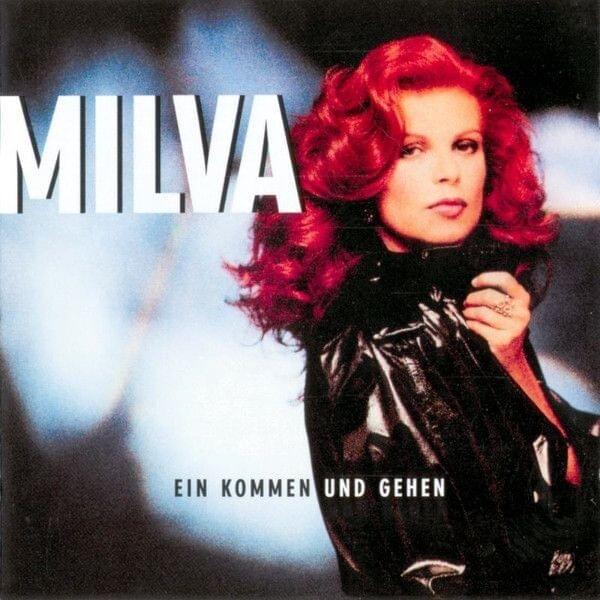
Milva's "Angst" isn't just a song; it's a stark, unflinching portrait of existential dread rendered in musical form. The lyrics are a relentless catalogue of fears—fear of history, of oneself, of the outside world. It’s a claustrophobic space where the individual is perpetually shrinking, paralyzed by anxieties both personal and societal. The genius of the song meaning lies in its refusal to offer easy answers or comforting platitudes. Instead, it confronts the listener with the raw, unvarnished reality of fear as a controlling force. Milva isn't just singing about anxiety; she's embodying it. The repetition of phrases like "Angst stellt ruhig, Angst kriegt klein" (Fear calms down, fear makes small) drills the insidious nature of fear into the listener's consciousness, underscoring how it diminishes agency and stifles dissent.
What makes "Angst" particularly potent is its exploration of fear as a tool of social control. The lyrics touch on the fear of competition, of being overtaken, and the deliberate use of fear to intimidate and subdue. The line "Angst braucht Waffen / Aus Angst vor dem Feind" (Fear needs weapons / For fear of the enemy) highlights the paradoxical nature of fear; it creates the very threats it purports to defend against. This dynamic speaks to the manipulation of public sentiment through manufactured anxieties, a theme that resonates deeply in an era of constant political and social upheaval. The song suggests that fear not only silences individuals but also pits them against each other. The lines about fearing one another, suspecting everyone, and being afraid to look each other in the eye paint a chilling picture of a society fractured by paranoia and distrust.
Ultimately, “Angst” transcends personal anxieties to become a broader commentary on the human condition. The fear of losing one's mind, of becoming numb, and of facing the finality of death are universal concerns. Milva's exploration of these themes is particularly relevant in a world that often prioritizes conformity and control over individual expression. The song's closing lines, "Angst sich zu wehren / Angst alleine zu sein / Angst vor der Angst / Wir schlafen ein" (Fear to resist / Fear to be alone / Fear of fear / We fall asleep), are a haunting reminder of the insidious power of fear to lull us into complacency and resignation. "Angst" is more than just a song; it's a mirror reflecting our deepest insecurities and a call to confront the forces that seek to exploit them.
 View Artist