Song Meaning
Milva's "Angelo del Rock" isn't simply a hymn to rock 'n' roll; it's a poignant quest for solace and connection in a world that feels increasingly alienating. The opening lines, "E da quanti secoli si sta girando a vuoto sotto il sole" (For centuries, we've been spinning pointlessly under the sun), immediately establish a sense of weariness and disillusionment, suggesting a cyclical, repetitive existence devoid of meaning. This existential angst fuels the search for the titular "angelo domestico" – a domestic angel, a guardian spirit – lost somewhere between the familiar comforts of the past and the disorienting novelties of modern civilization. The angel is not found in expected places, like churches, but rather "dentro al juke-box," hinting that the comfort sought is found in music, specifically rock. The jukebox represents a portal to a more vibrant, emotionally resonant world. This is not a religious angel, but one of rock music. The "angelo del rock" is a symbol of rebellion and the transformative power of music.
However, the song's core resides in the speaker's profound sense of loneliness and alienation. Despite civilization's advances, a disconnect remains. The lines "Ma come mai in questo mondo io sento diverso?" (But how come in this world I feel different?) encapsulate this feeling of otherness. The speaker yearns for connection, expressing a desire to meet the angel and confess, "Mi sento solo in questo momento" (I feel alone at this moment). This is not just teenage angst; it's a mature acknowledgement of the human need for belonging, for a guiding force in a chaotic world. The repetition of "Angelo del Rock" takes on a mantra-like quality, a desperate plea for intervention or at least recognition.
Ultimately, "Angelo del Rock," the song meaning resides in its exploration of existential loneliness and the search for meaning in a world that feels increasingly indifferent. The "angelo del rock" represents a desperate call for connection, a yearning for a guiding force in a world where traditional comforts have lost their appeal. The repeated incantation of the phrase isn't just a catchy hook; it's a testament to the enduring power of music to provide solace and a sense of belonging in the face of overwhelming alienation. The search for the angel, whether literal or metaphorical, becomes a symbol of the human need to find meaning and connection in an increasingly complex and isolating world. The domestic angel is sought in a jukebox, an apt symbol for how the most profound comfort can arise from unexpected, even mundane, sources.
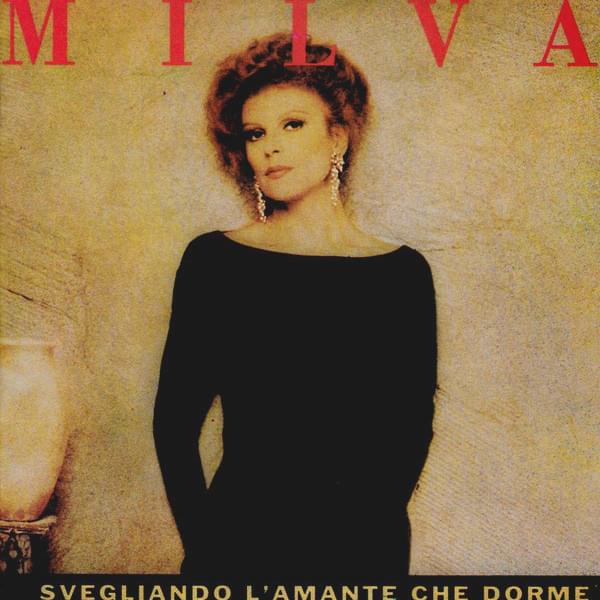
 View Artist