Song Meaning
Milow's "The End (Live in Amsterdam)" isn't just a song; it's a stark, theatrical reckoning. The lyrics paint a portrait of a man facing imminent doom, not with defiance, but with a raw, vulnerable plea for understanding and perhaps, a sliver of forgiveness. The opening lines, addressed to a 'Lover,' immediately establish a tone of regret and confession. There's an implicit admission of guilt – 'I really fucked up' – devoid of specific details, which amplifies the universality of the sentiment. It's a mess of his own making, a consequence he's forced to accept. This sets the stage for a series of intimate farewells, each revealing a different facet of the protagonist's internal struggle.
The subsequent verses, directed towards 'Mama,' 'Sister,' and 'Father,' function as a fragmented narrative of a life unraveling. The impending arrival of men to 'take me away' suggests a legal or possibly even a more violent conclusion. The line delivered to his sister, 'it's my fault / That I will die before I get old,' is particularly poignant, hinting at a self-destructive path. He longs to escape 'the mess that I'm in,' a desire that speaks to the human instinct for self-preservation, even in the face of overwhelming odds.
However, it is the final verse, addressed to 'Father,' that truly unlocks the song's deeper meaning. It's not necessarily a religious invocation, but rather an appeal to a higher authority – a plea for grace in the face of judgment. The concept of "The End" being 'a time and a place' is intriguing, suggesting a specific point of no return, a moment where actions irrevocably define one's fate. The contrast between those 'rewarded for perfection' and the liar 'consigned to the lake of fire' underscores the protagonist's self-awareness and acceptance of his perceived damnation. The song, therefore, becomes a powerful meditation on accountability, regret, and the desperate search for redemption in the face of mortality.
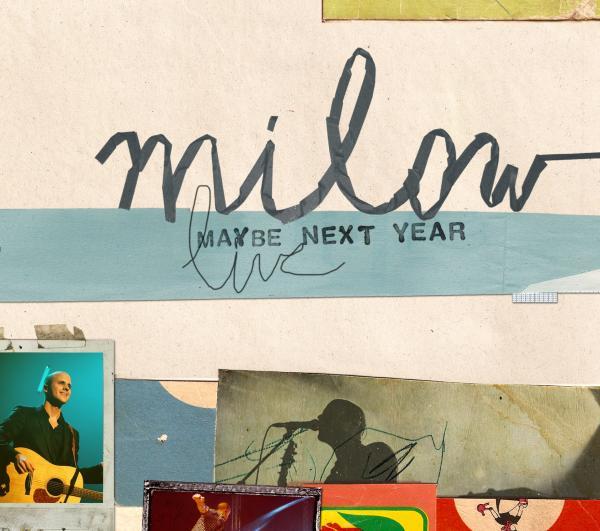
 View Artist