Song Meaning
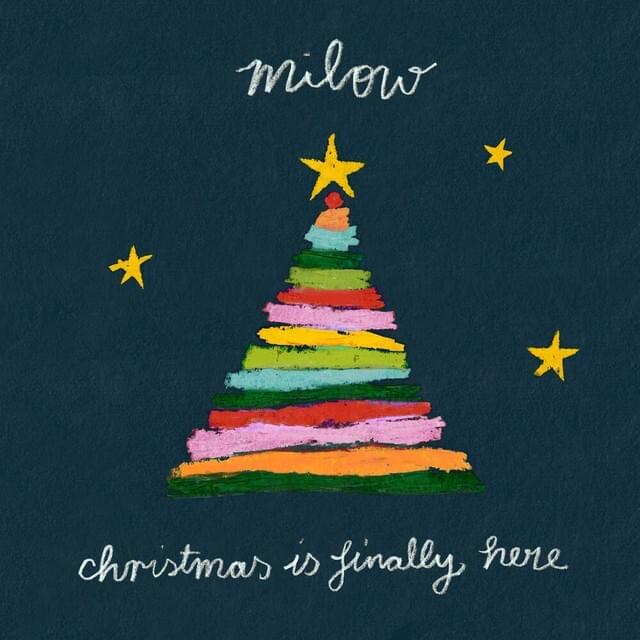
Milow's reimagining of "Rudolph the Red-Nosed Reindeer" isn't just a saccharine holiday tale; it's a pointed commentary on social dynamics and the pitfalls of conditional acceptance. The original narrative, already tinged with melancholy, becomes a full-blown exploration of resentment and the hollow nature of sudden praise. Rudolph, once ostracized for his difference – a 'very shiny nose' that glows – is suddenly valorized only when his uniqueness serves a practical purpose for Santa and the other reindeer. Milow's lyrical twist exposes the hypocrisy inherent in their newfound admiration.
Where the traditional version celebrates Rudolph's triumph, Milow's rendition introduces a crucial element: righteous indignation. Rudolph doesn't simply accept their praise; he calls them out. "I see through your silly games," he declares, cutting through the superficiality of their apology. This is no longer a story about fitting in; it's about confronting the fickle nature of social acceptance and demanding genuine remorse rather than opportunistic praise. The song taps into a deeper psychological truth: the scars of past rejection don't simply vanish with a change in social status.
Ultimately, Milow uses this updated "Rudolph the Red-Nosed Reindeer" to highlight the importance of authentic change. The other reindeers' shame is palpable, but the song's weight rests on whether they truly internalize the lesson. Milow suggests that true redemption lies not in fleeting moments of celebration but in a sustained commitment to empathy and acceptance, even when there's nothing to gain. The song meaning, therefore, transcends the simple children's story, offering a nuanced perspective on forgiveness, accountability, and the enduring impact of social cruelty.
 View Artist