Song Meaning
The lyrics paint a stark picture of profound loneliness and destitution. The opening lines, sung in a language that feels both ancient and immediate, repeat the phrase "Pirav mandje korkoro / Kaj sem devla čororo," which translates to a feeling of walking alone and being a poor, lost soul. This isn't just about lacking material wealth; it's a deeper sense of being adrift and unseen.
The central tension arises from the narrator's complete isolation. The question "S kim da sreću delim ja?" (Who can I share happiness with?) hangs heavy, immediately answered by the crushing "Nemam nigde nikoga" (I have no one anywhere). This refrain is repeated, emphasizing the inescapable reality of their solitude and their self-description as "roda sirota" (an orphan). The shift to the chorus "Ej, ej, ja sam siroma" (Oh, oh, I am poor) directly links this lack of connection to a state of poverty, suggesting that emotional destitution is the true hardship.
The most striking aspect of the craft is the repetition, which mirrors the cyclical nature of the narrator's despair. The phrases "Pirav mandje korkoro" and "Kaj sem devla čororo" create a hypnotic, almost mournful chant. This repetition isn't just for emphasis; it feels like the only words the narrator has left, a constant echo of their solitary existence. The contrast between the initial, more abstract lament and the direct, heartbreaking confession of being an orphan and having no one makes the emotional weight undeniable.
Ultimately, these lyrics resonate because they capture a raw, unvarnished feeling of being utterly alone. The simplicity of the language, especially in the repeated refrains, bypasses intellectual analysis and hits directly at the gut. It’s the sound of someone speaking their deepest, most painful truth without pretense, making the listener feel the weight of their isolation.
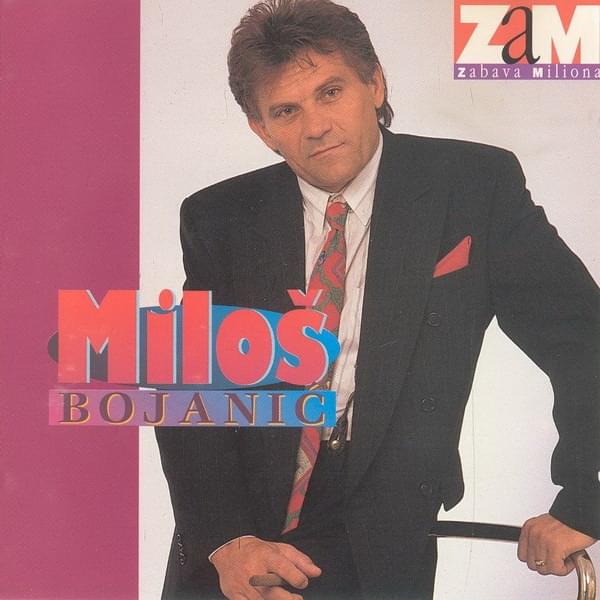
 View Artist