Song Meaning
The lyrics paint a stark picture of heartbreak, where days without a loved one feel like a prison sentence. The narrator’s mind is consumed by a persistent ache, a weariness that seeps into their soul. This profound sadness is directed outward, with a bitter curse aimed at the departed and a generalization that every woman resembling them is equally cursed. The dominant emotion is a deep-seated pain that colors the narrator’s entire world.
The central conflict lies in the narrator’s inability to move on, despite external assurances. The repeated refrain, "Lažu me ljudi" (People lie to me), highlights the disconnect between the narrator’s internal reality and the comforting platitudes offered by others. They are told that new love can erase sorrow, but this advice falls on deaf ears. The narrator’s conviction is that the pain of this specific loss has permanently shattered their belief in love itself.
The most striking aspect of the writing is the stark, almost brutal simplicity of its emotional expression. Phrases like "dani bez tebe kao robija" (days without you like a prison sentence) and "isti mi bol u glavi" (the same pain in my head) convey a raw, unvarnished agony. The repetition of the refrain hammers home the narrator’s absolute rejection of hope, creating a sense of inescapable despair. The curse, "Prokleta da si za sva vremena" (Cursed be you forever), is a powerful declaration of enduring resentment.
This lyrical approach is effective because it refuses to soften the blow of heartbreak. Instead, it leans into the bleakness, making the narrator’s pain feel palpable and absolute. The unwavering focus on the inability to believe in love again, even when told otherwise, resonates with the isolating nature of profound grief. The lyrics don't offer a path to healing; they capture the moment when healing feels impossible, making the listener feel the weight of that specific, crushing despair.
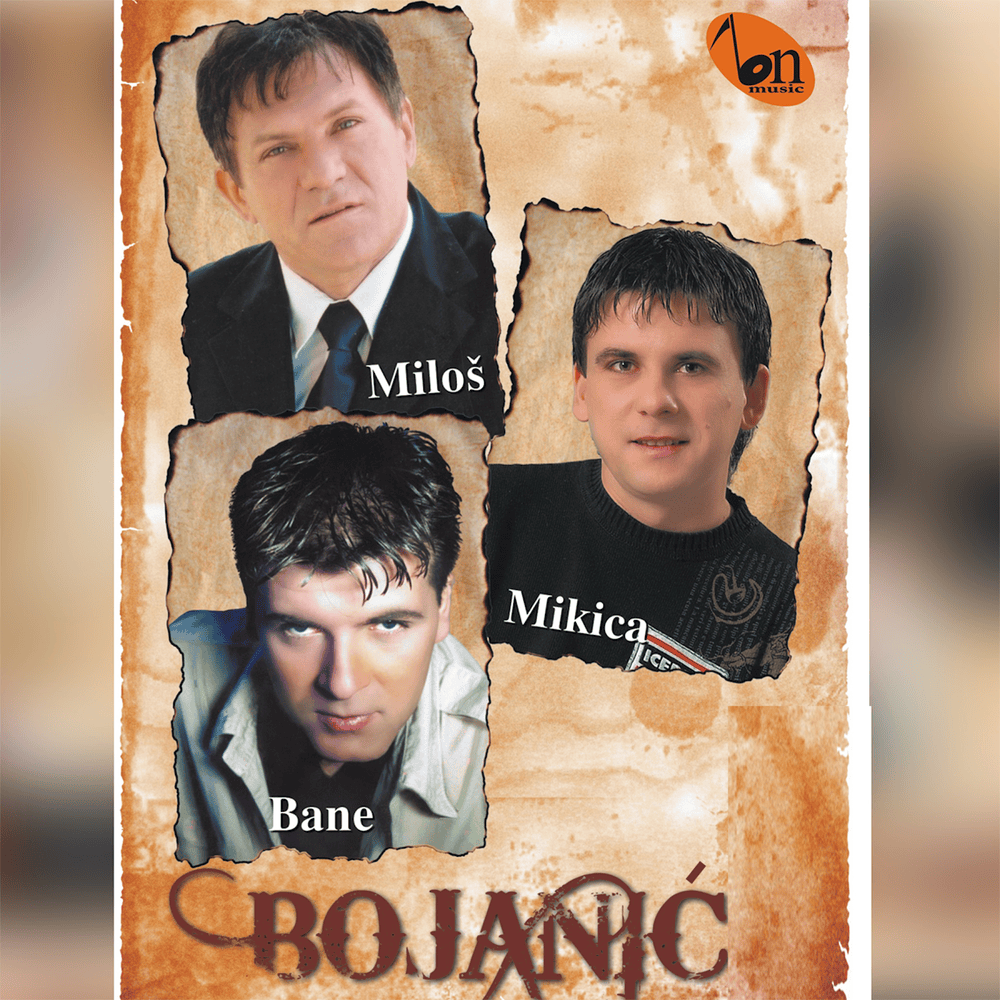
 View Artist