Song Meaning
Millie Jackson's "The Blues Don't Get Tired Of Me" isn't just a lament; it's a wry observation on the persistence of sorrow and the almost perverse comfort it can provide. The song’s core concept hinges on the blues as a relentless, almost sentient force. Jackson isn't wallowing so much as acknowledging a grim truth: some people just seem to attract hardship. It's not about a single heartbreak or a fleeting disappointment, but a chronic condition of the soul. She flips the script on the traditional blues narrative, turning the blues themselves into a character, an unwanted guest who overstays their welcome not out of malice, but out of a strange, unwavering fascination. This personification elevates the song beyond a simple expression of sadness; it becomes a commentary on the nature of suffering itself.
The lyrics suggest a weariness with the platitudes offered by well-meaning friends. The advice to "take a punch and learn to roll with it" rings hollow when the punches keep coming, and the blues make themselves at home. There’s a sense of resignation, but also a defiant humor in Jackson's delivery. She’s not asking for pity; she's stating a fact. The line, "Someday, things gonna get better / And Lord, I've been waiting," is delivered with a knowing cynicism, acknowledging the hope while simultaneously questioning its likelihood. This tension between hope and despair is what gives the song its emotional depth.
Ultimately, "The Blues Don't Get Tired Of Me" speaks to the cyclical nature of hardship and the complex relationship we develop with our own suffering. It's a song about resilience, not in the triumphant, fist-pumping sense, but in the quiet, weary determination to keep going even when the blues are constant companions. The song meaning resides in its ability to articulate a universal experience – the feeling of being perpetually dogged by misfortune – with both vulnerability and a touch of dark humor. Jackson's genius lies in transforming personal pain into a shared understanding of the blues' enduring, and sometimes unwelcome, embrace.
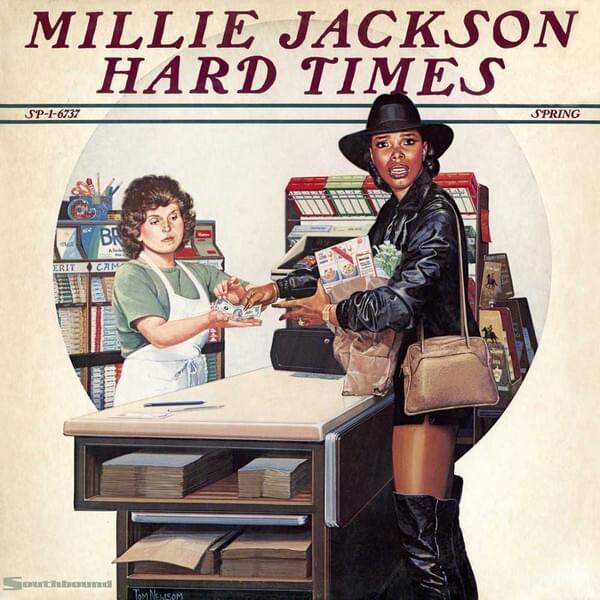
 View Artist