Song Meaning
Millie Jackson doesn't mince words. In "Deja Vu," she slices straight to the core of romantic disillusionment, a place where repeated promises ring hollow against the stark reality of unfulfilled commitment. The lyrical landscape is a familiar battleground: a lover's sweet nothings ("baby, I love ya") weaponized as manipulation, dangling the carrot of affection while denying the fundamental validation of marriage. Jackson's persona isn't pleading; she's calling out the hypocrisy. The phrase 'Deja Vu' itself drips with weary resignation, suggesting this scenario isn't a singular heartbreak but a recurring pattern. She's been here before, heard these lines before, and the cycle of empty promises is grinding her down.
"You tell me I can have anything I want / Then baby, why can't I have your name?" That's the crux of the song's meaning. It's not simply about wanting a wedding ring; it's about wanting respect, public acknowledgment, and a future solidified rather than perpetually postponed. Jackson keenly zeroes in on the power dynamics at play. Material offerings become meaningless when weighed against the symbolic weight of a shared identity. The implied question hangs heavy: if love were truly unconditional, wouldn't that commitment be freely given, not bartered or withheld? The "liars, backstabbers..." interjection, though brief in the provided excerpt, suggests a broader context of betrayal and deceit, further poisoning the romantic well.
Ultimately, "Deja Vu" isn't just a lament; it's a declaration of self-awareness and growing defiance. Jackson's character recognizes the game being played and refuses to passively accept the role of the perpetually waiting lover. While the full arc of the song remains beyond this lyrical fragment, the seeds of empowerment are clearly sown. The song's meaning lies in its unflinching portrayal of a woman demanding more than just words, a woman recognizing her own worth in the face of repeated disappointment.
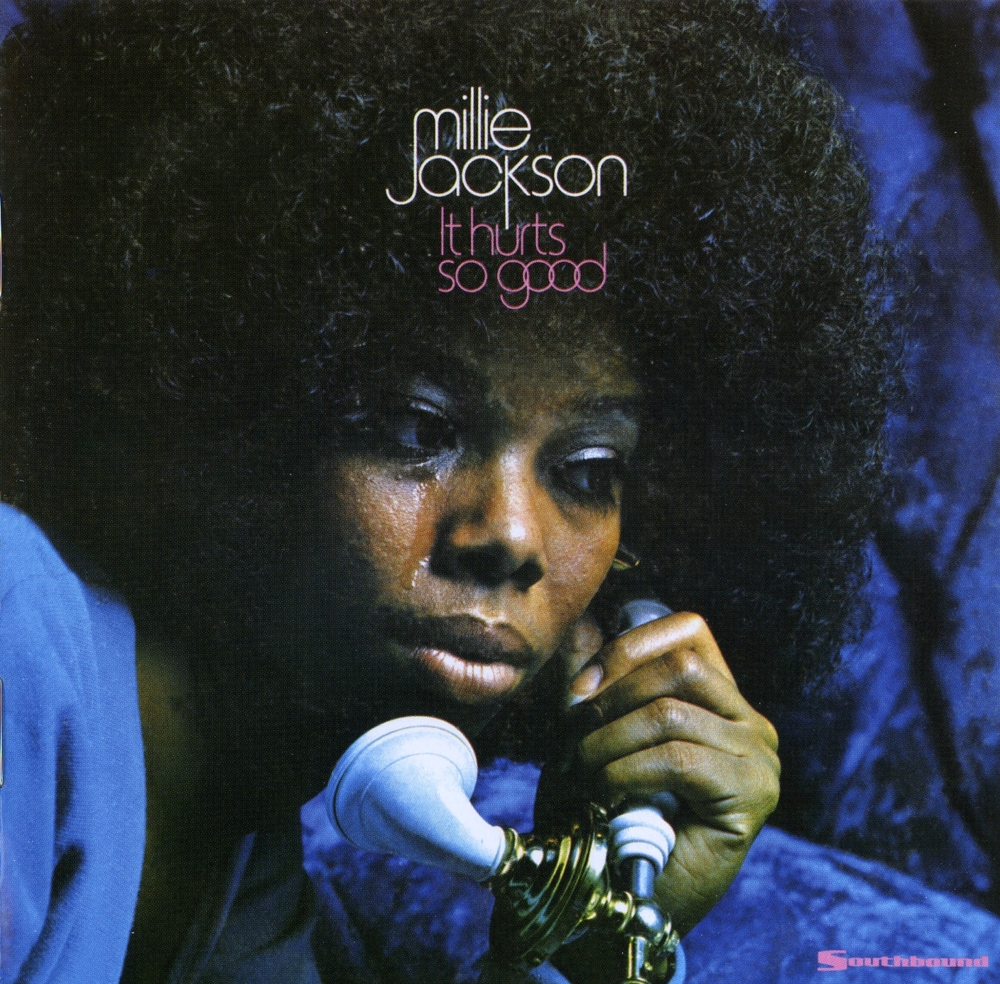
 View Artist