Song Meaning
Millie Jackson's "Señor Blues" isn't just a song; it's a masterclass in the psychology of cyclical relationships. It's a raw, almost painfully relatable depiction of being trapped in a pattern of attraction and heartbreak. The lyrics paint a vivid picture of someone repeatedly drawn back to a charismatic figure, despite knowing the inevitable outcome. The opening lines, "Here you come again / Just when I've begun to get myself together," immediately establish this sense of weary resignation. It's not just about the other person's allure; it's about the speaker's own vulnerability, her susceptibility to charm and manipulation. There's a self-awareness here, a recognition of the destructive pattern, but an inability to break free. This is not a tale of naive love, but of a seasoned heart battling against its own desires. This song meaning explores the idea of a toxic attraction, where the other person's presence is both desired and dreaded.
The power dynamic is subtly explored in "Señor Blues." The object of affection doesn't need grand gestures; a simple smile is enough to dismantle the speaker's defenses. "All you gotta do is smile that smile / And there go all my defenses" is a brutally honest assessment of the situation. It's a surrender, a confession of weakness. The repeated phrase "Here you come again and here I go" emphasizes the inevitability of the cycle. It's not a choice; it's a reflex. The lyrics subtly point toward the 'Señor' having an almost unfair advantage, 'looking better than a body has a right to,' implying an irresistible physical appeal that overrides rational thought. This isn't just about romantic love; it touches on the broader human tendency to be swayed by superficial charm, even when we know better.
Ultimately, "Señor Blues" is a poignant exploration of self-deception and the difficulty of breaking free from harmful patterns. It speaks to the universal experience of being drawn to something or someone that isn't good for us, and the internal conflict that arises when desire clashes with self-preservation. Millie Jackson doesn't offer easy answers or a triumphant resolution. Instead, she lays bare the messy, complicated reality of human relationships, leaving the listener to grapple with their own vulnerabilities and patterns of attraction. The song's brilliance lies in its unflinching honesty and its refusal to romanticize a situation that is, at its core, deeply unsettling.
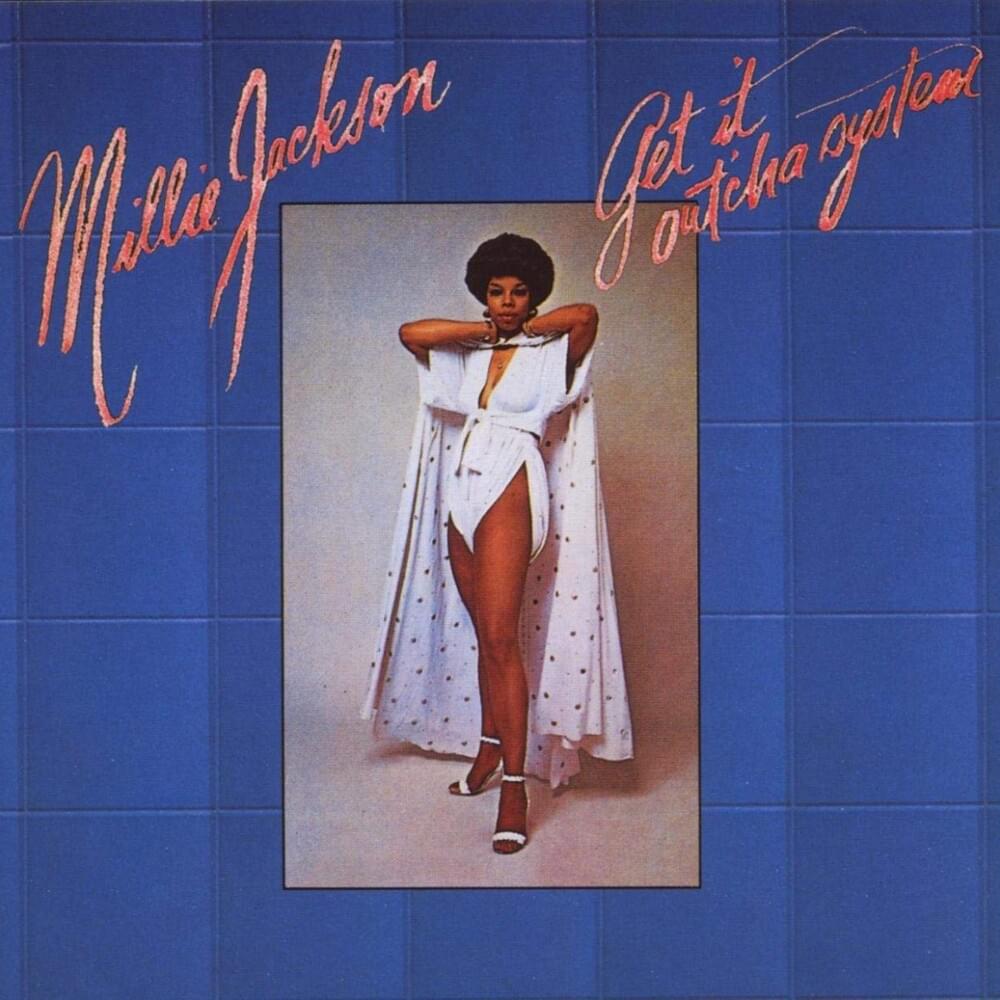
 View Artist