Song Meaning
Milla Jovovich's "Bana Doğruyu Söyle" (translation needed, but contextually, let's read it as "Tell Me The Truth") exists in a hazy, nicotine-stained space between memory and dissociation. The opening, fixated on the mundane act of smoking on a porch, feels like a deliberate attempt to ground the speaker in the present – counting cars, observing old men – anything to avoid the swirling vortex of her inner world. This carefully constructed normalcy, however, quickly unravels. The repetition of "Ooh, wee / Sweetheart now, wow" hints at a past intimacy, perhaps a lover, a relationship that now haunts her. The "wow" carries a weight of irony, a bittersweet echo of a joy that's curdled.
The shadows and veiled threats emerge as the song progresses. "Shadows sneak beside me / Who is looking behind me" speaks to a paranoia, a sense of being watched or judged, likely stemming from a past relationship that has left her emotionally vulnerable. The scarf, initially a symbol of connection ("I still have your scarf you know / I wear it all the time"), morphs into an instrument of self-inflicted pain: "Your scarf around my neck / Slits my throat with rusty knifes." This powerful image suggests that the memory of this person, once a source of comfort, is now a constant source of anguish, a self-destructive loop of longing and resentment. The repeated plea to "leave" underscores a desperate need for closure, a desire to break free from the suffocating grip of the past.
The core of the song meaning resides in the struggle to reconcile memory and forgetting. The lines "I block and forget to forget I forgot / I remember to forget what I forgot" capture the fractured nature of trauma, the mind's attempt to protect itself by burying painful experiences, only for them to resurface in distorted forms. The repeated phrase "Hurry home to sweetness / Hurry home to distance" encapsulates the central conflict: a yearning for the comfort and familiarity of the past, juxtaposed with the recognition that returning to that place would be detrimental. The final repetition of "I'm still here" is not a statement of strength, but rather a weary acknowledgment of being stuck, caught between longing and the painful reality of what was lost. The closing "Sunny weather music" feels jarring, almost sarcastic, a thin veneer of optimism masking a deeper, more complex emotional landscape. It's a fragile attempt to reframe a deeply melancholic experience, a survival mechanism in the face of lingering pain.
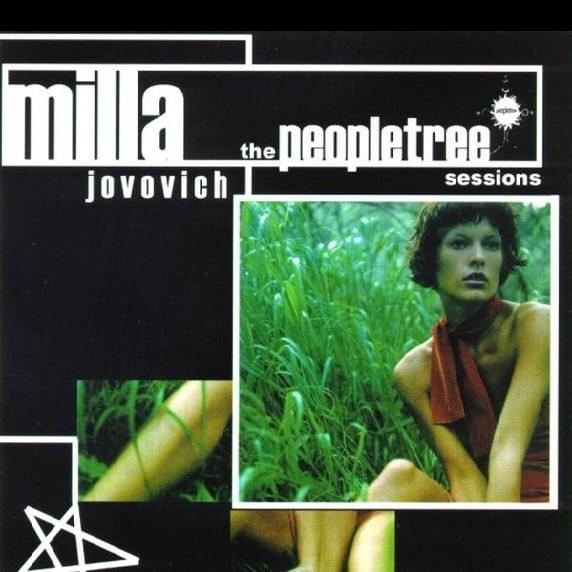
 View Artist