Song Meaning
The lyrics paint a stark picture of a weary traveler, burdened by a heavy, almost morbid, fatigue. The opening lines immediately establish a grim atmosphere, comparing the weight on the narrator's back to a "dead and cold horse head," while the "highway gleams dark." This isn't just a long drive; it's a Sisyphean task, underscored by the narrator's glowing cigarette in the same darkness. The imagery of "fifteen pigs" in the trunk, covered in frost, adds a layer of unsettling mystery and perhaps desperation to the journey. The narrator feels trapped, stuck "night after night in the steering wheel hole," a phrase that evokes a sense of being stuck and physically confined. The comparison to a "bunny girl's puff standing up" is a jarring, almost surreal image, hinting at a fleeting, perhaps sexualized, moment of defiance or a strange, involuntary reaction to the monotony.
The central tension lies in the brutal dichotomy presented: "Love and the highway." These two forces are locked in perpetual conflict, never finding peace or "blessing." The highway is personified as an aggressive entity, "biting and wailing," "twisting a man from his soul." This suggests the road itself is a destructive force, demanding a heavy toll. The narrator's declaration, "I am a sailor and a sailor I will remain," positions them as someone bound to this harsh existence, yet the ultimate destination remains "home." This creates a poignant conflict between the unavoidable nature of their current life and the longing for a domestic sanctuary.
The most striking craft element is the relentless, almost liturgical repetition of the chorus: "Love and the highway / Gets no blessing / Love and the highway / Hates each other." This refrain hammers home the irreconcilable conflict at the heart of the song. The lyrics also employ a stark contrast between the grim reality of the road and the intimate, almost violent, desire for connection expressed later. The narrator's thoughts turn to their lover's "nut-breast and hip bone," and a promise to "beat you up" and take them to "jiu-jitsu on the tatami" is a raw, physical expression of longing and anticipation, a stark counterpoint to the coldness of the highway.
This song hits hard because it grounds abstract emotional conflict in visceral, often unsettling, imagery. The weariness isn't just tiredness; it's a physical burden. The desire for love isn't gentle; it's a primal urge that clashes violently with the demands of the road. The narrator's commitment to their difficult life, driven by love for their family ("for you and the children"), adds a layer of tragic nobility. The feeling that someone has "stolen a card or two" from their "patience solitaire" perfectly captures the sense of unfair struggle and dwindling hope, making the eventual return home feel like a hard-won, perhaps temporary, reprieve.
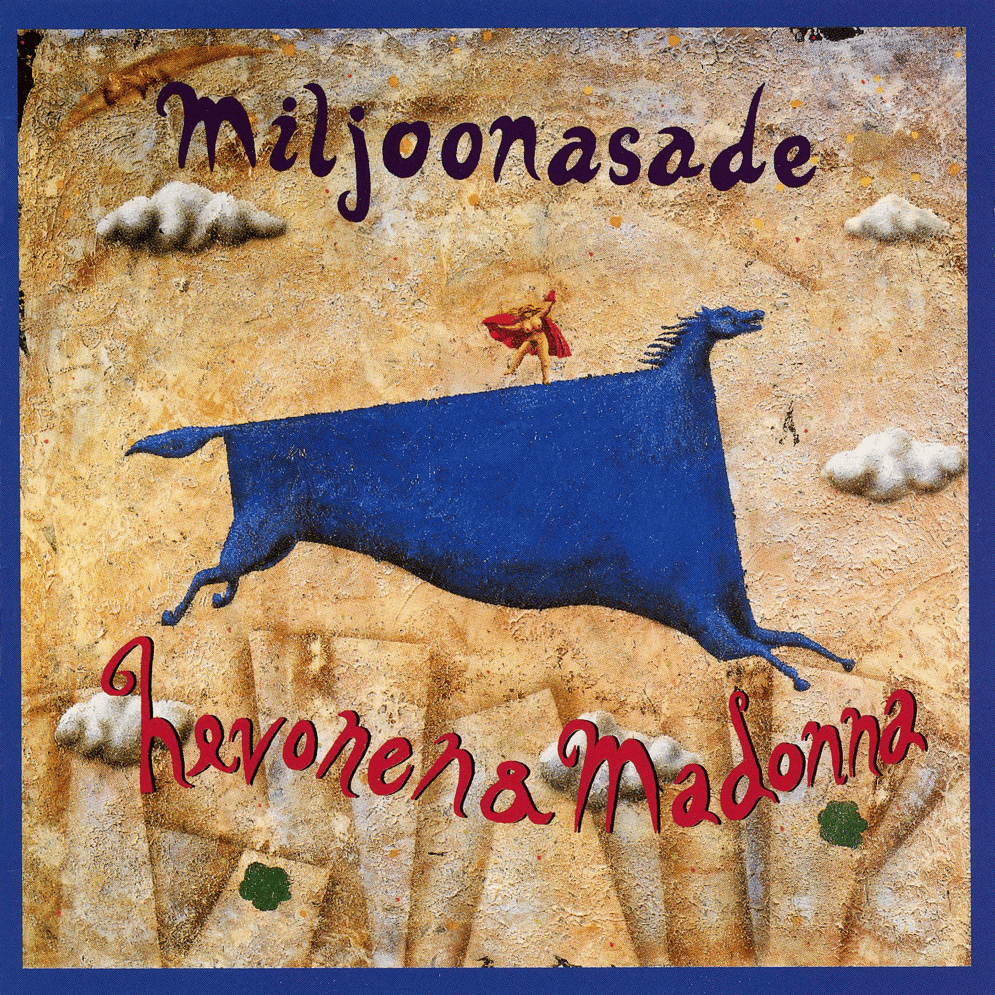
 View Artist