Song Meaning
The lyrics paint a stark picture of fortune's fickle nature, contrasting those who seem to effortlessly benefit from life's windfalls with the harsh realities faced by others. The opening lines suggest a world where luck smiles on those who've inherited or gambled their way to ease, implying a superficial success. However, this ease is fleeting, as the narrator warns that when "dark taxes" hit, the celebration ends abruptly, leading to a dramatic fall, like a horse collapsing. This sets up a core tension: the illusion of easy happiness versus the inevitable, painful consequences of hardship.
The chorus introduces a powerful counterpoint: "And the poor smile at you / Because the poor know tears." This isn't a smile of joy, but one of understanding, born from shared suffering. It suggests that true empathy and connection arise not from shared fortune, but from shared pain. The narrator then offers a glimpse into what constitutes wealth for the less fortunate: a tiny candle for the soul's star, a cigarette for hope's lips. These are not material possessions, but small, fragile sparks of resilience and inner light.
The lyrics emphasize the limited material offerings of the narrator – no furs or exotic animals. Instead, the value lies in a different kind of support: being there when someone needs "acid," which seems to imply a harsh truth or a difficult reality check. The advice to "hold life at a high price" is layered; it could mean cherishing what little one has, or perhaps recognizing the true cost of superficial happiness. The recurring image of "murky tears" beneath the surface of fortune reinforces the idea that even apparent success can hide deep sorrow, a sorrow the poor understand intimately.
Ultimately, the song's power comes from this profound juxtaposition. It argues that while the fortunate may receive smiles, it is the poor, through their deep acquaintance with sorrow, who possess a more genuine understanding and empathy. The repeated refrains of "the poor know tears" and "the poor smile at you" hammer home this message, suggesting that true connection and insight are forged in the crucible of hardship, not in the ease of inherited or easily won success.
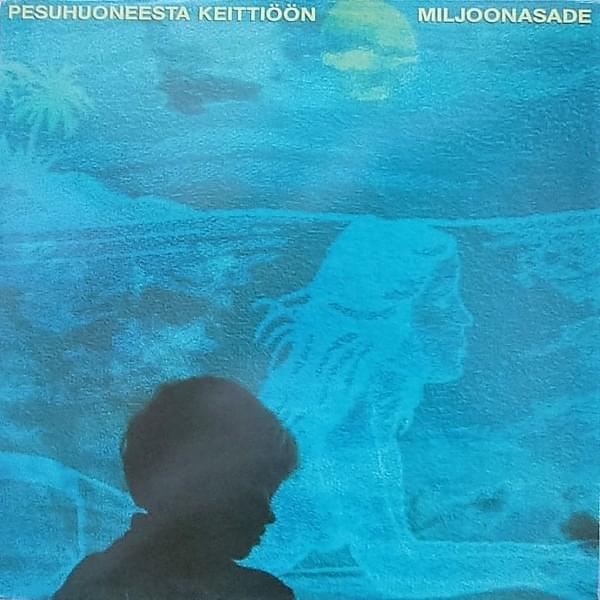
 View Artist