Song Meaning
The lyrics paint a vivid picture of overcoming deep bitterness and despair through the transformative power of love. The opening lines, "Quebrei a taça da amargura" (I broke the glass of bitterness), immediately establish a dramatic shift from a state of profound sadness to one of liberation. This act of shattering the "glass of bitterness" and casting its pieces to the wind signifies a decisive break from past pain and a conscious choice to embrace life with renewed vigor, as declared by "Gritei bem alto: viva a vida!" (I shouted out loud: long live life!).
The narrative then introduces a beloved woman whose presence acts as a catalyst for this profound change. Her return is likened to the sun, which had been "meio ausente" (half absent), now shining brightly again with her "sorriso da mulher querida" (smile of the beloved woman). This imagery suggests that her affection dispels the narrator's gloom, drying "As minhas lágrimas secaram para sempre" (My tears dried up forever) and banishing "saudade" (longing/nostalgia) and "ansiedade louca" (crazy anxiety). The narrator explicitly states that her presence "mandou a saudade embora" (sent the longing away), highlighting the immediate and complete relief her love provides.
The most striking aspect of the lyrics is the depiction of love as a literal life-saving force. The narrator recalls a time when they were "quase morrendo" (almost dying) from love, a hyperbolic expression of intense emotional suffering. However, it was "Seus lábios para a vida me trazendo" (Her lips bringing me back to life) with a "respiração de boca a boca" (mouth-to-mouth resuscitation) that truly saved them. This powerful metaphor elevates love from a mere emotion to a vital, physical act of rescue, underscoring its absolute necessity for the narrator's survival and well-being.
Ultimately, the lyrics champion love as the supreme value and driving force in existence. The repeated assertion, "Só o amor vale tudo na vida" (Only love is worth everything in life), coupled with "Só o amor é a inspiração" (Only love is the inspiration) and "Sem amor a esperança é perdida" (Without love, hope is lost), solidifies this central theme. The song itself becomes a testament to this belief, written "Por amor" (For love), demonstrating how profound emotional connection can not only heal but also inspire creation and reaffirm the very essence of living.
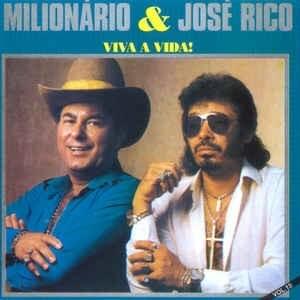
 View Artist