Song Meaning
The lyrics open with a poignant exploration of memory and loss, setting up a conditional world where forgetting is both desired and seemingly impossible. The narrator imagines sending messages through a flower or a star if they "não puder te esquecer," hinting at a love that truly lingers.
A core tension emerges from the speaker's contradictory desires. They contemplate sending a message that "o velho amor acabou" even as their elaborate communication methods suggest the opposite. This contrasts sharply with the beloved's simpler imagined action: if *they* can't forget, they need only "dizer por aí," and the narrator's heart will hear. This implies a deep, almost telepathic connection that defies distance or time.
The craft shines in the escalating declarations about the impossibility of forgetting. What starts as a hypothetical quickly becomes an absolute: "Esquecer difícil demais," the narrator asserts, claiming no one is capable if they loved even a little. The speaker then personalizes this, stating that forgetting the beloved is unthinkable, before delivering a dramatic, almost theatrical vow. The ultimate declaration, "Que eu morra sozinho" if they even try to forget, is a powerful, almost hyperbolic statement, revealing a love so profound that the mere *attempt* to erase it is seen as a betrayal worthy of the gravest consequence.
These lyrics resonate because they tap into the universal human experience of an unforgettable love. The speaker's journey from contemplating a symbolic end to declaring an eternal bond, even at the cost of their own life, creates a vivid emotional landscape. It's the raw, unvarnished honesty of a heart unwilling to let go, expressed through a blend of poetic imagery and stark, dramatic pronouncements, that makes this piece so deeply impactful.
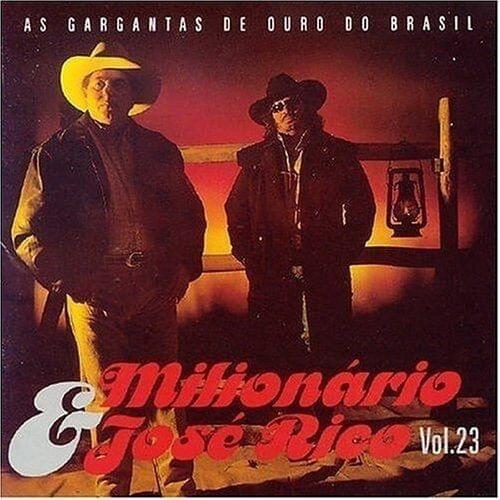
 View Artist