Song Meaning
These lyrics plunge us into a raw, unvarnished declaration of love and desperate longing. A speaker directly addresses a "morena," repeating his profound affection, emphasizing "eu te amo / E como te amo." It's a confession of a past departure, quickly followed by an admission of an inevitable return, driven by an overwhelming emotional force.
The central tension here is the speaker's complete lack of agency in the face of his passion. He states, "Daqui eu fui embora mas voltei," framing his return not as a choice but as an obligation. His "paixão que toma conta do meu peito" literally "forced me to return," suggesting an emotional current so strong it dictates his actions. He "não consigo viver sem ela," painting a picture of utter helplessness.
This intense emotional state culminates in a direct, almost demanding plea: "Você precisa voltar comigo / E dar um jeito na minha vida." The speaker places the responsibility for his well-being squarely on the "morena," highlighting how deeply intertwined his sense of self is with her presence. The final lines introduce a fascinating twist, claiming that despite her hurting him ("Você judia"), she too feels "saudade," a deep, untranslatable longing, for "Deste seu homem apaixonado."
What makes these lyrics so effective is how they capture the all-consuming nature of a love that feels both fated and painful. The insistent repetition of phrases like "eu te amo" and "não consigo" mirrors the speaker's obsessive thoughts, drawing the listener into his singular, intense emotional world. It's a portrait of love as an irresistible force, one that demands everything and leaves no room for escape.
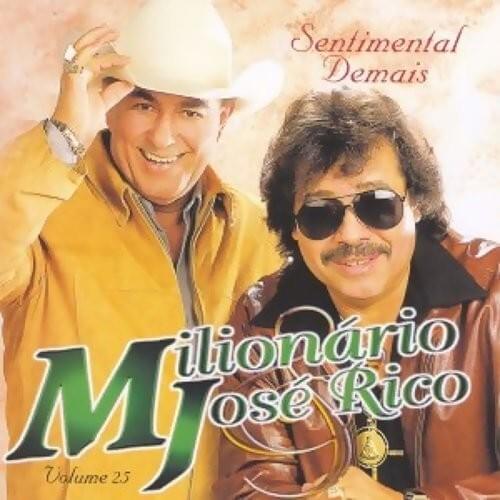
 View Artist