Song Meaning
This song paints a raw picture of unrequited love and the pain of being mistreated. The narrator desperately wants to forget someone, but the more they try, the more entangled they become. There's a profound sadness in realizing they aren't the "ideal type" and that their feelings are completely unreciprocated. The coldness of the other person's actions, particularly the way they kiss, underscores this emotional distance.
The central tension lies in the narrator's suffering versus the other person's indifference. The lyrics explicitly state, "Que você não sente nada por mim," highlighting the one-sided nature of the affection. This lack of response is what fuels the narrator's anguish, making them feel powerless and "pisa em mim" – stepped on. The desire for a "coração de aço" (heart of steel) emerges as a direct response to this vulnerability.
The most striking element is the narrator's proposed "revenge": a heart transplant to gain a "coração de aço." This isn't just about emotional hardening; it's a literal desire to replace their current, vulnerable heart with one incapable of feeling the pain they're enduring. The idea is to then inflict the same level of suffering back onto the person who hurt them, "pagando em dobro o que hoje passo" – paying double for what they're going through now. It’s a fantasy of ultimate emotional self-preservation and retribution.
This lyrical narrative is effective because it taps into the universal sting of rejection and the desperate wish for emotional armor. The shift from passive suffering to a violent fantasy of revenge, rooted in a literal desire for a "heart of steel," makes the narrator's pain palpable. It’s the stark contrast between their current brokenness and their imagined future resilience that makes the emotional arc so compelling.
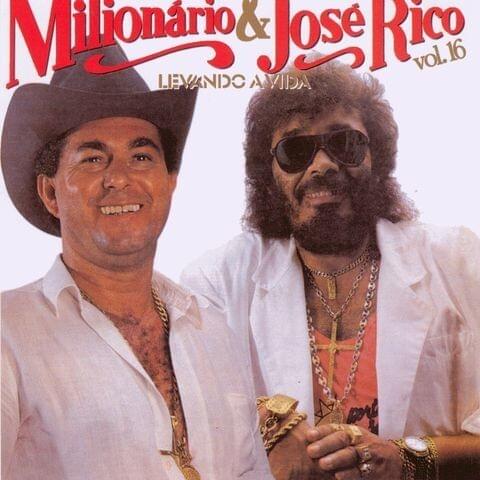
 View Artist