Song Meaning
The lyrics open with a stark self-assessment: a heart devoid of love. The speaker offers advice to "outro conquistador," hinting at a shared, perhaps painful, path. This isn't a love song; it's a cautionary tale. The tone is immediately cynical and world-weary.
The core tension lies in the speaker's claimed emotional void versus the act of giving advice. They declare, "Eu não sei o que é chorar / Eu não sei o que é amor," yet their counsel is explicitly designed to prevent "grande dor." This suggests a deep familiarity with suffering, even if they've hardened themselves against its outward expressions. The speaker's detachment feels like a defense mechanism, a shield built from past wounds.
The repetition of the four-line block — "Eu não sei o que é chorar... Para não sofrer uma grande dor" — is particularly striking. It functions like a grim mantra, solidifying the speaker's philosophy. This reiteration isn't just emphasis; it suggests a lesson learned through harsh experience, hammered home until it became an unshakeable truth. The cyclical nature of the lines reinforces the idea that this advice is a fundamental, perhaps inescapable, principle for the "conquistador."
These lyrics hit hard because they articulate a painful, albeit extreme, coping mechanism for heartbreak. The speaker's bluntness, coupled with the implied history of pain, makes the advice feel earned. By framing emotional detachment as a safeguard against suffering, the lyrics tap into a universal fear of vulnerability, offering a bleak but compelling alternative to the risks of love. It's a stark portrayal of emotional self-preservation.
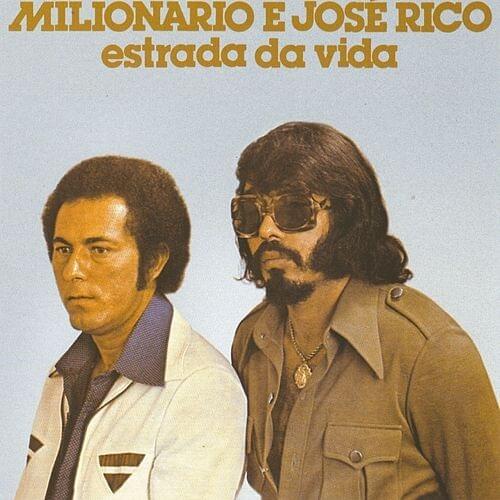
 View Artist