Song Meaning
The lyrics paint a picture of a passionate but ultimately doomed romance. The narrator begins by describing how they brought life back into someone who was disillusioned with love, suggesting a powerful, almost salvific connection. This intense period, lasting only two months, was filled with tenderness and physical intimacy, marked by kissing those lips. However, a sense of foreboding is present from the start, as the narrator admits to knowing the end was near because their lover couldn't commit exclusively.
The central tension lies in the narrator's attempt to reconcile the intense love they experienced with the lover's inability to be solely theirs. The phrase "Boneca cobiçada" (coveted doll) introduces a critical perspective, implying the lover is desired by many and perhaps incapable of true monogamy. This objectification contrasts sharply with the "ternura" (tenderness) and "vida a tua vida" (life to your life) the narrator offered, highlighting the lover's perceived shallowness or inherent unavailability.
The most striking aspect is the narrator's defiant stance against the lover's perceived desire to cause them pain. Despite the heartbreak, the narrator claims not to be crying, looking the lover directly in the eyes. This resilience is further emphasized by the declaration that while the narrator may die, their words, their "versos" (verses), will live on to wound the lover's heart. This suggests a desire for a lasting impact, a form of revenge through art.
This lyrical construction is effective because it moves from a place of deep personal connection and vulnerability to one of assertive, almost vengeful, detachment. The contrast between the initial devotion and the final declaration of emotional fortitude, coupled with the assertion of artistic immortality, creates a complex emotional arc. The narrator transforms personal suffering into a statement of enduring power, ensuring their voice, and the pain they endured, will not be forgotten by the one who wronged them.
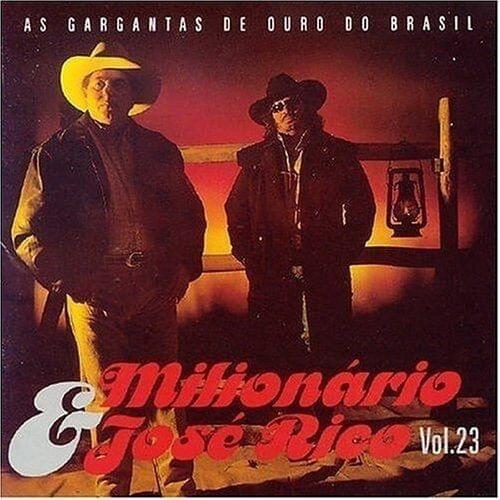
 View Artist