Song Meaning
The lyrics paint a stark picture of a once-familiar world that has been erased and replaced by something alien and overwhelming. The narrator recalls a "street so big and long" that inexplicably "was gone," a visceral image of loss and disorientation. This is immediately contrasted with the "straight" streets created by "you," which are so devoid of natural guidance that a compass is useless, suggesting a manufactured, unnatural order. The weight of this "concrete" prompts a desire to "follow it to the end," a desperate search for meaning or origin in this transformed landscape.
The core tension arises from this forced transformation and the narrator's bewildered response. The "slide so long and more" is replaced by a "department store," a symbol of commercialization and superficiality supplanting personal experience. The "bright lights" of this new reality obscure vision, leading to a disturbing suggestion: "be a porno star in your hit movie about self-destruction and sensational disease." This highlights a feeling of being exposed, commodified, and forced into a performance of decay by an unseen, controlling force.
The lyrics' power lies in their unsettling, almost surreal imagery and the direct accusation leveled at "you." The repeated motif of lost or altered physical spaces – the street, the slide – underscores a profound sense of displacement. The narrator perceives "you" as a multifaceted, predatory entity, "so many men," who believes "everyone's got their price." This is amplified by the aggressive, almost transactional commands: "Spread 'em out. Light it up." The final lines, "With bright lights lighting fires all down the streets you are so on fire," fuse the destructive new environment with the destructive actions of "you," creating a scene of widespread, self-inflicted conflagration.
This lyrical construction effectively conveys a feeling of being overwhelmed by external forces that reshape reality and exploit vulnerability. The shift from personal memory to a harsh, imposed present, coupled with the accusatory tone, generates a potent sense of powerlessness and violation. The narrator's desperate questions – "Where does it go and what is it for?" – resonate because they are posed against a backdrop of irreversible change and a perceived, cynical manipulation of existence.
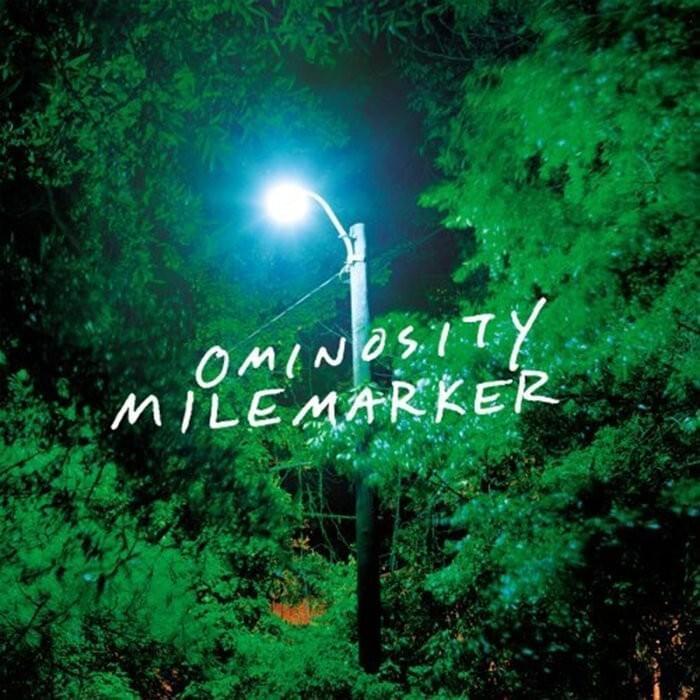
 View Artist