Song Meaning
The lyrics paint a stark picture of heartbreak, where the narrator wakes to a dawn that will never break for him. The dominant emotion is a profound, almost physical pain stemming from unrequited or lost love. The intensity of this feeling is captured in phrases like "Bez nje se umire" (Without her, one dies) and "Oči drugu ne vide" (Eyes don't see another), suggesting a singular, all-consuming devotion that now leaves him utterly lost.
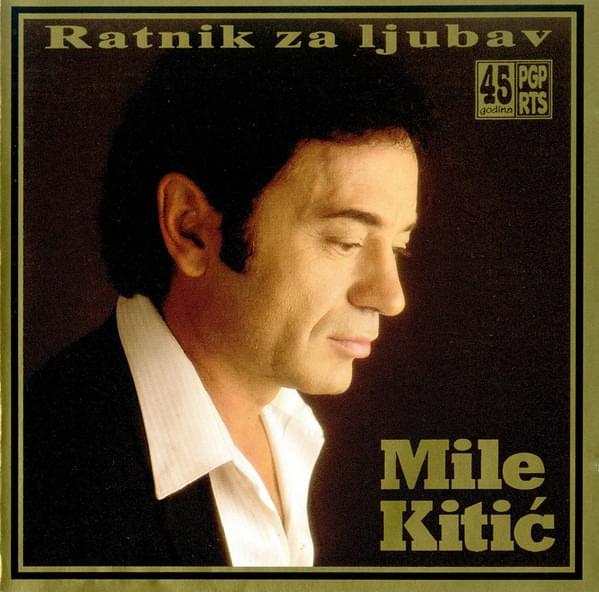
The central tension lies in the narrator's regret and longing to be someone else, someone worthy of the love he's lost. He laments, "Eh, što nisam ja" (Oh, why am I not), wishing he were the "Ratnik što za njenu ljubav bitku dobija" (Warrior who wins the battle for her love). This desire to be a victor in love, rather than a victim of its sting, fuels the song's melancholic core. The contrast between his current state of defeat and his idealized self as a triumphant warrior is palpable.
The imagery of the "Izvor voda sa planina što joj lice umiva" (Spring water from the mountains that washes her face) is particularly striking. It represents a pure, natural, and perhaps unattainable ideal – a gentle, life-giving force that he wishes he could embody for her. This contrasts sharply with the painful, stinging sensation of love described as "kopriva" (nettle), highlighting the duality of love's potential to both heal and wound. The "stari drumovi" (old roads) he travels are personified as "dušmani" (enemies), emphasizing how the paths leading to her departure are now sources of his suffering.
Ultimately, the lyrics resonate because they articulate the desperate wish to have been the one who could hold onto love, to be the source of her comfort rather than the one left with "bolna istina" (painful truth). The raw, almost desperate repetition of "Eh, što nisam ja" underscores the depth of his regret and the profound sense of loss that defines his present reality.
 View Artist