Song Meaning
The lyrics paint a stark picture of a heart waiting for a painful reunion. The narrator describes a slow, inevitable approach, marked by internal turmoil and a sense of impending doom. Phrases like "Šećer je gorak, ledeno je Sunce" (Sugar is bitter, the Sun is icy) establish a world turned upside down, where even natural comforts feel wrong. This disorientation is amplified by the declaration that their "najveći neprijatelj mi je brat" (biggest enemy is my brother), suggesting a deep, personal betrayal that has left the narrator in a state of emotional coldness.
The central tension lies in the narrator's paradoxical plea for their lover to return, even if it means more pain. They are in a "minus fazi" (minus phase), a state of deep emotional deficit, and seem to crave the familiar ache of this specific person. The repeated instruction, "Uđi nemoj kucati" (Come in, don't knock), coupled with the certainty that the lover "Svakako ćeš u srce pucati" (will shoot the heart anyway), highlights a resignation to suffering, almost as a form of validation. They want the lover to "još jednom bolom me porazi" (defeat me with pain one more time), indicating a masochistic desire for confirmation through shared misery.
The most striking craft element is the juxtaposition of the slow, deliberate movement of "Korak po korak" (Step by step) with the violent imagery of the heart being shot. This contrast underscores the narrator's passive yet intense anticipation of emotional devastation. The lyrics also employ a sense of environmental empathy, where "plače svaki sprat" (every floor cries) and "plače za tobom svaki stepenik" (every step cries for you), personifying the surroundings to mirror the narrator's profound sadness. This creates an atmosphere where the entire world seems to mourn the absence or anticipate the return of this significant figure.
Ultimately, these lyrics resonate because they articulate a complex emotional state of seeking solace in familiar pain. The narrator isn't asking for healing, but for a specific kind of hurt that confirms their reality and allows them to process their grief. The raw, almost desperate invitation to be hurt again, while surrounded by "tamu oko sebe" (darkness around me), makes the plea feel deeply personal and tragically human. The act of watching the lover, even as they inflict pain, is presented as the only way the narrator can cry more easily, suggesting a twisted form of comfort found in direct confrontation with their source of sorrow.
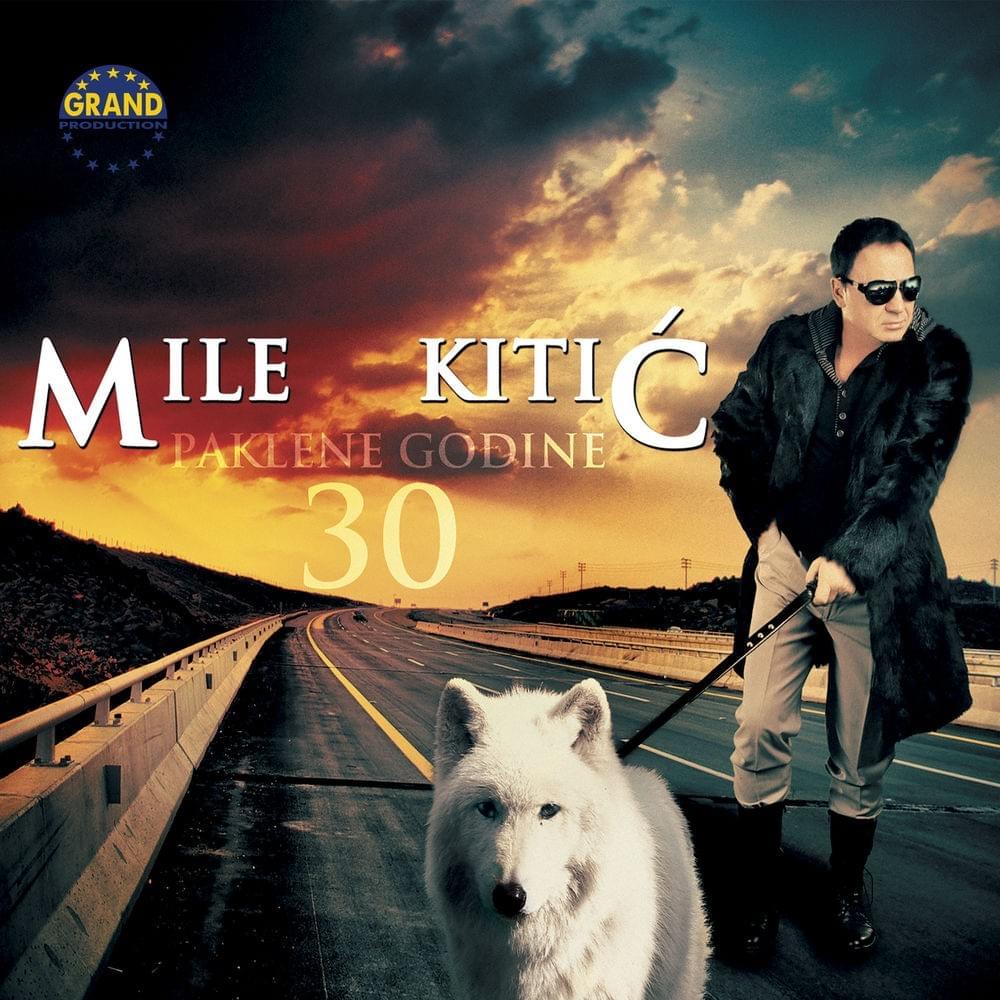
 View Artist