Song Meaning
The lyrics paint a picture of a heart being urged to reject a past love, a plea to sever ties with someone who brings only misfortune. The narrator directly addresses their own heart, commanding it not to be deceived again by this person. The repeated directive, "Idi tamo gde nesreću traže" (Go where they seek misfortune), frames the departing lover as a source of negativity, someone who actively pursues or is drawn to unhappiness. This sets a tone of resolute dismissal, pushing away not just a person, but the very essence of the trouble they represent.
The central tension lies in the narrator's assertion of self-worth and future happiness, directly contrasted with the pain the departing lover seems to embody. The refrain, "Idi, idi drugom, ne trebaš mi ti" (Go, go to another, I don't need you), is a powerful declaration of independence. It’s not just about ending a relationship; it’s about reclaiming personal space for genuine joy. The phrase "U moj život prava sreća dolazi" (True happiness comes into my life) acts as a confident prophecy, suggesting that this departure is a necessary step towards a brighter future, one unburdened by the other person's negativity.
The most striking aspect of the craft here is the direct, almost forceful, internal monologue. The narrator isn't just passively experiencing heartbreak; they are actively commanding their own heart to let go. The repetition of "Idi, idi drugom" reinforces this command, making it an unwavering mantra. Furthermore, the parallel structure between the two stanzas, with the slight variation from "nesreću traže" (seek misfortune) to "nesreću žele" (desire misfortune), intensifies the perception of the other person as inherently drawn to or wanting unhappiness, making the narrator's decision to expel them feel even more justified and necessary for their own well-being.
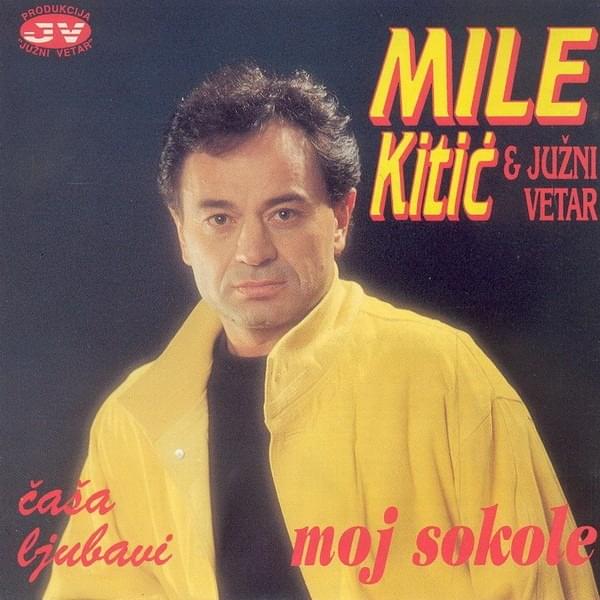
 View Artist