Song Meaning
The lyrics paint a stark picture of a difficult year, where even the natural world seems to be yearning for something vital. Fields are asking for a blessing, the sea for faith, yet the narrator observes someone who "asks for nothing." This sets up an immediate contrast between a world in need and a figure of apparent detachment or perhaps profound contentment.
The central tension lies in the narrator's own spiritual and emotional state, described as a deep sleep. Her heart is asleep, her dreams are heavy with silence, and she feels like she's walking in her sleep within an ancient fortress. This internal paralysis is profound, suggesting a disconnect from the world's pleas and her own potential for faith.
The most striking element is the recurring phrase "ואתה אינך מבקש דבר" (and you ask for nothing), which acts as a refrain and a point of both observation and perhaps envy. The narrator questions how she can awaken from her own spiritual slumber "ואין בליבי אמונה?" (and there is no faith in my heart?), directly linking her internal state to the absence of the faith that the sea seeks and that this other person seems to embody or transcend.
This writing is effective because it grounds abstract spiritual yearning in concrete natural imagery and a deeply personal, almost somnambulant internal experience. The contrast between the world's needs and the narrator's profound inertia, punctuated by the enigmatic figure who "asks for nothing," creates a powerful sense of longing and existential unease.
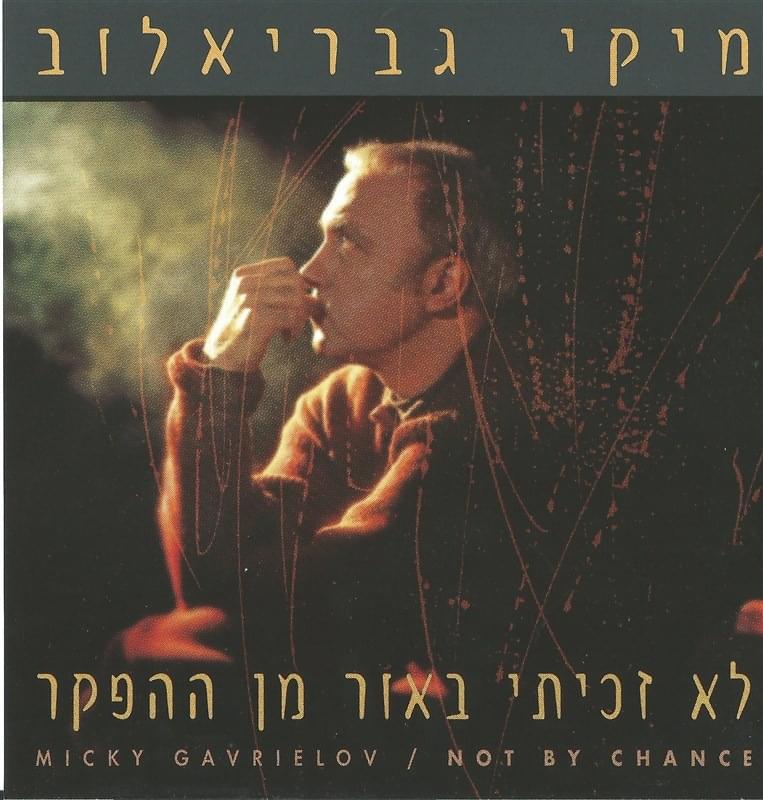
 View Artist