Song Meaning
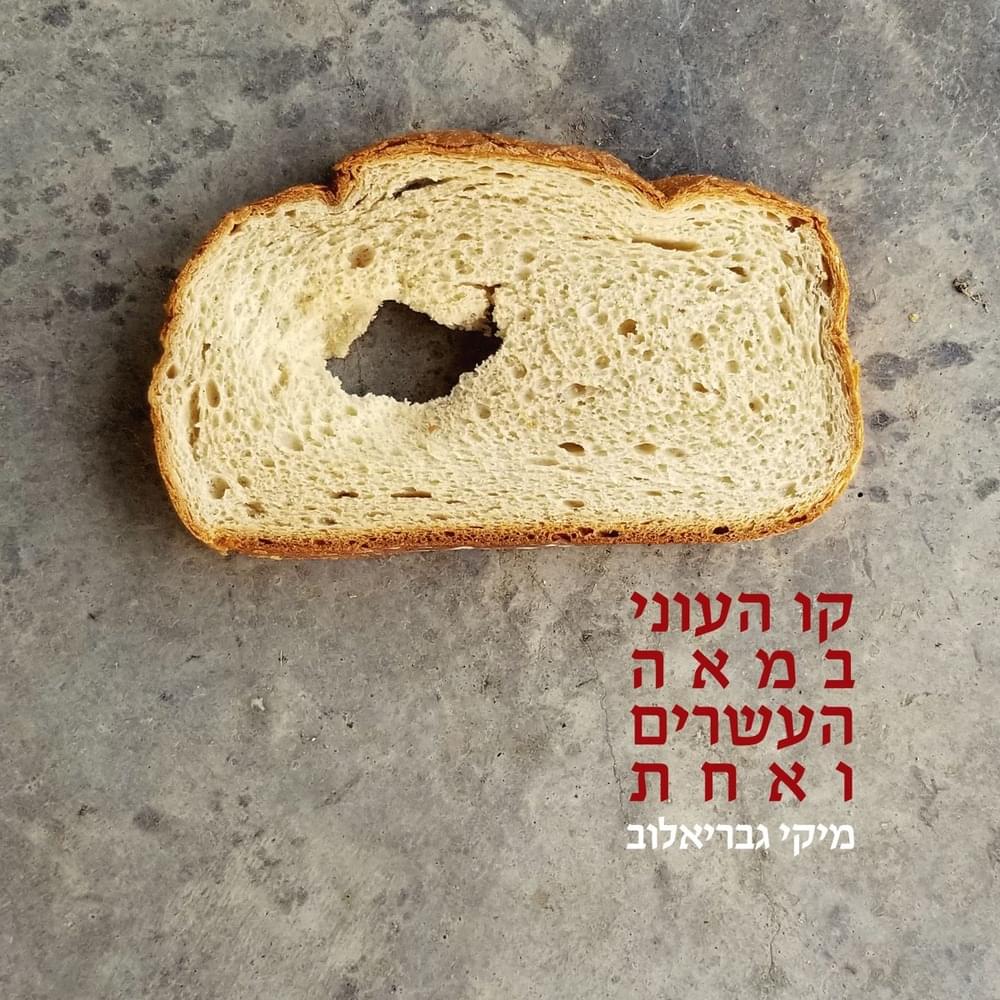
The lyrics paint a stark picture of persistent hardship, opening with a dry, barren field that mirrors a pervasive sense of fear within homes. This desolation isn't a fleeting moment; the repeated phrase "קו העוני" (the poverty line) asserts its constant, undeniable presence. It’s presented not as a metaphor, but as a tangible reality, a recurring theme that grounds the entire narrative.
The song then shifts to a historical recounting, listing years from the late 1940s and early 1950s. These dates are punctuated by images of scarcity and struggle: building a state without distinction, living in austerity, extracting milk from a breast when there was none, and enduring suffering. The narrator emphasizes that this isn't a past problem, as the refrain "זה לא דמיוני" (it's not imaginary) insists, linking these historical struggles directly to the present.
The craft here lies in the stark juxtaposition of historical dates with visceral, almost primal images of deprivation. We see years like "1957" followed by a meager "גזר מלפפון עגבנייה ורבע" (carrot, cucumber, tomato, and a quarter), and then the almost desperate repetition of "ביצים ביצים ביצים" (eggs, eggs, eggs) in "1970." This repetition, especially of a basic food item, underscores a deep-seated lack, suggesting that even simple sustenance was a constant, hard-won battle that echoes through the decades.
Ultimately, the effectiveness of these lyrics stems from their unflinching directness. By anchoring the abstract concept of poverty to specific years and concrete, often unsettling images, the song creates a powerful sense of enduring struggle. The recurring refrain acts as a constant reminder that the "poverty line" is not just a statistic, but a lived, cyclical experience that refuses to fade into the past.
 View Artist