Song Meaning
The lyrics paint a scene of nocturnal temptation and internal conflict, set against a backdrop of religious observance and societal expectations. The opening lines, "Turn off the candle and turn on the light / Take a drop of pink, sell the black," immediately establish a mood of subverting tradition for immediate gratification. This is reinforced by the contrast between "giving some God and taking much love," suggesting a prioritization of earthly desires over spiritual ones. The repeated image of "children your age" looking for light or wax figures implies a contrast between youthful innocence or conformity and the narrator's more complex, perhaps jaded, perspective.
The central tension seems to arise from a forbidden desire. The line, "It's me who wanted, but it's you who touched," clearly delineates a dynamic where the narrator is drawn in by someone else's actions, creating a sense of passive complicity. This is powerfully underscored by the proverb-like statement, "One who lights candles on Friday won't have sex on Saturday," a direct reference to Shabbat observance that frames the narrator's desires as transgressive and potentially ruinous to their spiritual standing. The fear associated with this transgression is palpable, "Fear painted the night in dark shades."
The most striking craft element is the juxtaposition of religious ritual with raw desire, particularly the Friday/Saturday candle/sex dichotomy. This isn't just about temptation; it's about the potential spiritual cost of yielding to it, a conflict that seems to pull the narrator "close to my heart" while simultaneously pushing them "away from God." The repetition of "It's me who wanted, but it's you who touched" emphasizes the internal struggle and the external trigger, creating a cycle of desire and regret that the narrator seems caught within.
This writing is effective because it grounds abstract desires and fears in concrete, culturally resonant imagery. The contrast between light and dark, God and love, and the specific religious prohibition creates a visceral sense of conflict. The narrator's internal debate, articulated through these sharp contrasts and the recurring refrain, makes the emotional stakes feel immediate and deeply personal, even as it hints at broader societal or religious pressures.
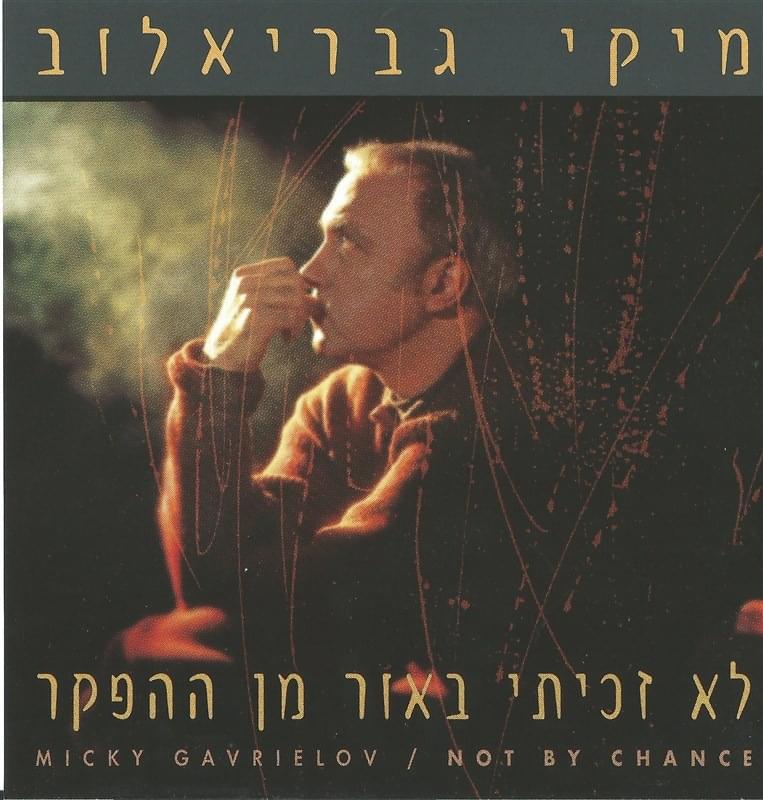
 View Artist