Song Meaning
The lyrics paint a stark contrast between confinement and the call of freedom. Initially, there's an urgent plea to resist despair: "Don't bow your head forward, don't utter a sound or cry." This is immediately juxtaposed with an invitation to embrace the wild, untamed spirit of the outside world, where "the wave is wild" and "the boat of freedom waves to you." This sets up a central tension between the internal state of sorrow and the external promise of liberation.
The core conflict emerges as the narrator describes a life of isolation and limitation. The imagery shifts from the expansive sea to a restrictive existence: "the roads go on endlessly and you sit alone, between bars, that's your whole world." This powerful contrast highlights the suffocating nature of the narrator's current reality, making the earlier call to freedom feel like a distant, almost unattainable dream. The sea's wildness and the freedom boat are external forces, while the narrator is trapped, "between bars."
The most striking element is the way the lyrics use sensory details to amplify the emotional weight. The "wild wave licking the pier walls" and the "storm of the sea messing up your beloved's hair" evoke a powerful, almost overwhelming natural force. This external chaos is then directly contrasted with the internal stillness of being "alone, between bars." The freedom offered by the sea is presented as a force that can disrupt and transform, while the narrator's world is static and enclosed, suggesting a profound sense of loss and yearning.
This lyrical construction is effective because it grounds abstract feelings of despair and hope in concrete, evocative imagery. The direct commands to resist sorrow and the vivid descriptions of both confinement and the beckoning wild create a palpable emotional landscape. The listener is made to feel the weight of the "bars" while simultaneously hearing the distant call of the "freedom boat," making the internal struggle resonate deeply.
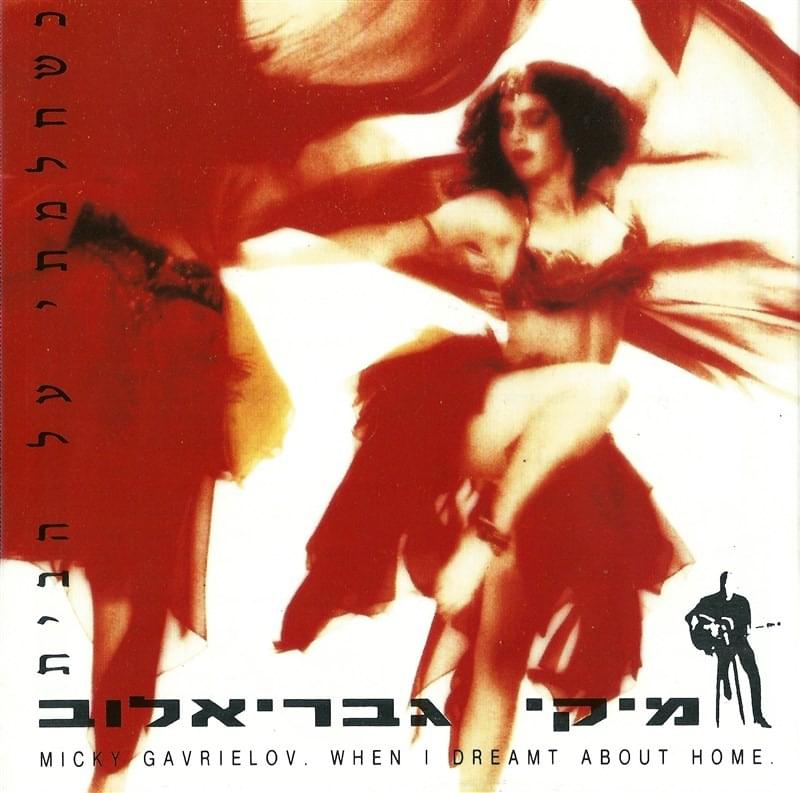
 View Artist