Song Meaning
The lyrics paint a stark picture of a life irrevocably altered by incarceration, setting a tone of regret and resignation. The opening lines immediately establish a sense of impending doom, with a fortune teller and the ominous phrase "дорога дальняя" (a long road) hinting at a grim future. The repetition of "Быть может, старая тюрьма центральная / Меня, парнишечку, по новой ждет" (Perhaps the old central prison awaits me anew) underscores the narrator's fear of returning to a place that has already claimed a significant part of his life. This isn't just a possibility; it feels like an inevitability.
The central tension revolves around the destructive power of "Таганка," personified as a force that has ruined the narrator's life. The chorus is a direct accusation: "Таганка, зачем сгубила ты меня?" (Taganka, why did you ruin me?). The narrator declares himself "твой бессменный арестант" (your permanent inmate) and laments that "Погибли юность и талант в твоих стенах" (Youth and talent perished within your walls). This highlights a profound sense of lost potential and a life unlived, directly attributing this loss to the prison itself.
The most striking aspect of the writing is the stark contrast between the narrator's past and his present/future, and the way "Таганка" is treated as a living entity responsible for his fate. The imagery of "ночи полные огня" (nights full of fire) in the chorus is particularly potent, suggesting not just the harshness of prison life but perhaps also the burning regret and internal torment. The shift in the second verse, acknowledging that he and a loved one will "больше не встретимся" (no longer meet) and that "Дороги разные нам суждены" (Different roads are destined for us), adds a layer of personal tragedy to the broader narrative of lost freedom and talent. The mention of "слезы горькие моей родни" (bitter tears of my kin) emphasizes the ripple effect of his imprisonment on his family.
Ultimately, the lyrics resonate because of their raw, unflinching portrayal of a life derailed by the penal system. The direct address to "Таганка" and the repeated declarations of being its "арестант" create a powerful sense of entrapment and despair. The narrator isn't just recounting events; he's wrestling with the profound loss of his youth and potential, making the prison a tangible antagonist that has stolen his future and left him with nothing but regret and the bitter tears of his loved ones.
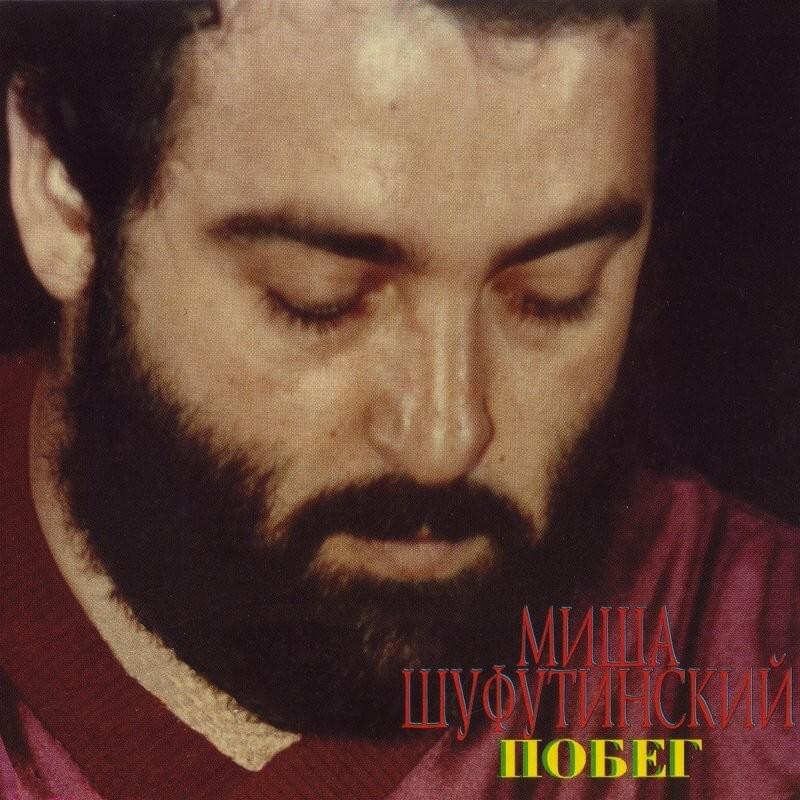
 View Artist