Song Meaning
The lyrics begin with a striking confession: the narrator's heart was once "una caja fuerte / sin vigilar" (an unwatched safe). This vulnerability led to a period of "confusión," where they admit, "me dejé robar, me dejé engañar" (I let myself be robbed, I let myself be deceived). Despite this past pain, a powerful declaration of forgiveness immediately follows, both for others and for themselves.
The core tension here isn't just about past hurt, but the active decision to release it. The narrator repeatedly states, "no guardo rencor" (I don't hold a grudge), extending that grace even to their former self. This isn't passive acceptance; it's a deliberate, almost defiant act of letting go, clearing the emotional space for something new.
A particularly vivid image emerges with the idea of "un lifting / en el corazón" (a lifting in the heart), suggesting a deliberate, almost surgical, yet deeply transformative repair. This isn't mere healing; it's a conscious reshaping of one's emotional core. The lyrics further emphasize this forward momentum by suggesting "se aprende a olvidar / que a recordar" (one learns to forget sooner than to remember), highlighting a strategic detachment from painful memories.
The definitive turning point arrives with the presence of "tú" (you), bringing the "sol / en mi canción de amor" (sun in my love song). This individual transforms the narrator's entire perspective, rendering past identity irrelevant as they declare, "no importa quién fuí." The "you" becomes the singular, grounding force, "el único lugar" (the only place) to which the narrator wants to return, solidifying a powerful sense of belonging and renewed purpose.
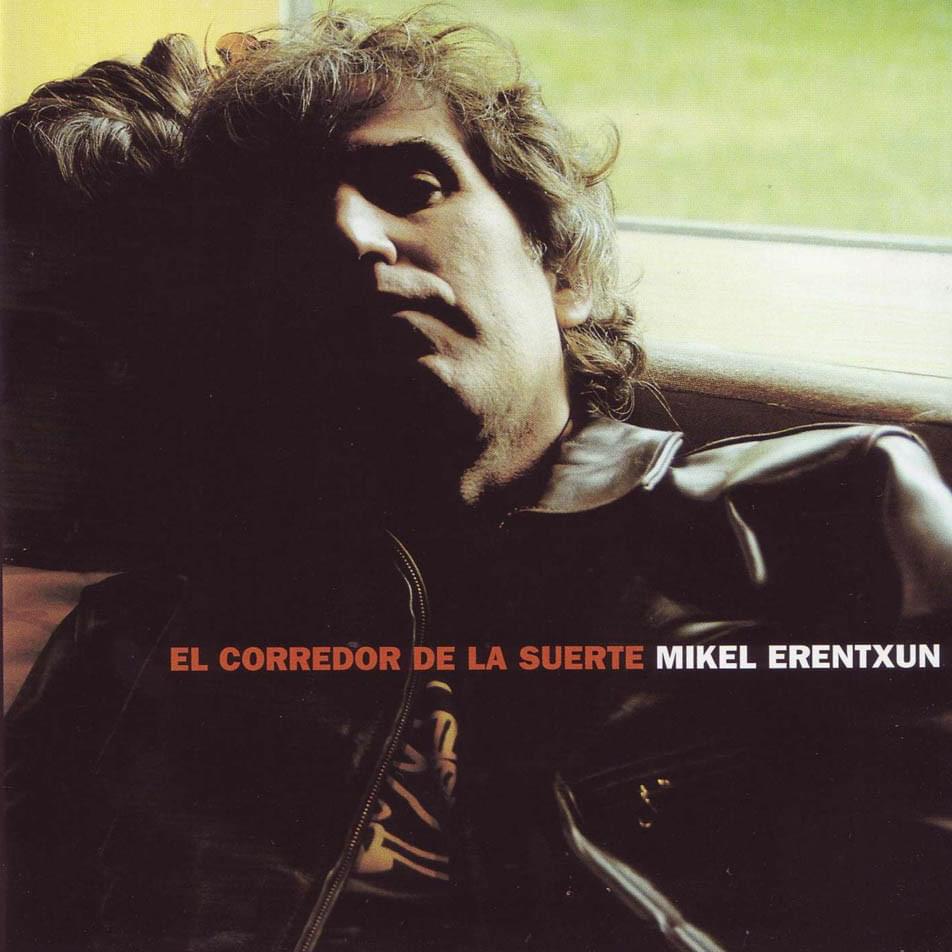
 View Artist