Song Meaning
The lyrics paint a vivid picture of returning to a place, Paris, that holds deep personal significance. The narrator stands at a viewpoint overlooking the Seine, noting that ten years have passed but nothing has changed visually. This stillness in the scenery contrasts sharply with the internal emotional landscape, which is anything but static. The dominant feeling is one of profound longing and nostalgia for a past happiness experienced in this very spot, a happiness shared with someone specific.
The central tension arises from the desire to recapture a lost moment or person. The repeated phrase "Volverte a ver" (to see you again) underscores this yearning, becoming an almost desperate plea. The "interludio" (interlude) mentioned suggests a specific, perhaps fleeting, period of intense connection that has now ended, but the memory, like a scratched record, keeps playing the same refrain. The inclusion of "Je t'aime" (I love you) in French, repeated insistently, further emphasizes the depth of this past romantic connection.
The most striking craft element is the bilingualism and the juxtaposition of past and present. The shift between Spanish and French, particularly with phrases like "Je t'aime" and "Je donnerais tous / Pour revoir" (I would give everything / To see again), highlights the international and perhaps transient nature of the relationship. The narrator states that these "antiguos recuerdos" (old memories) are now more beautiful than life itself, a powerful statement that elevates the past to an almost mythical status. The final line, "¡París llora / Por tantas cosas...!" (Paris cries / For so many things...!), personifies the city, suggesting it too bears witness to or shares in this profound sense of loss and melancholy.
This piece is effective because it grounds an abstract feeling of longing in concrete imagery and specific, repeated desires. The contrast between the unchanging Parisian vista and the narrator's intense emotional state creates a palpable sense of yearning. The bilingual elements add a layer of sophistication and perhaps hint at the cosmopolitan nature of the past relationship, making the ache of its absence feel both personal and grand, like the city itself.
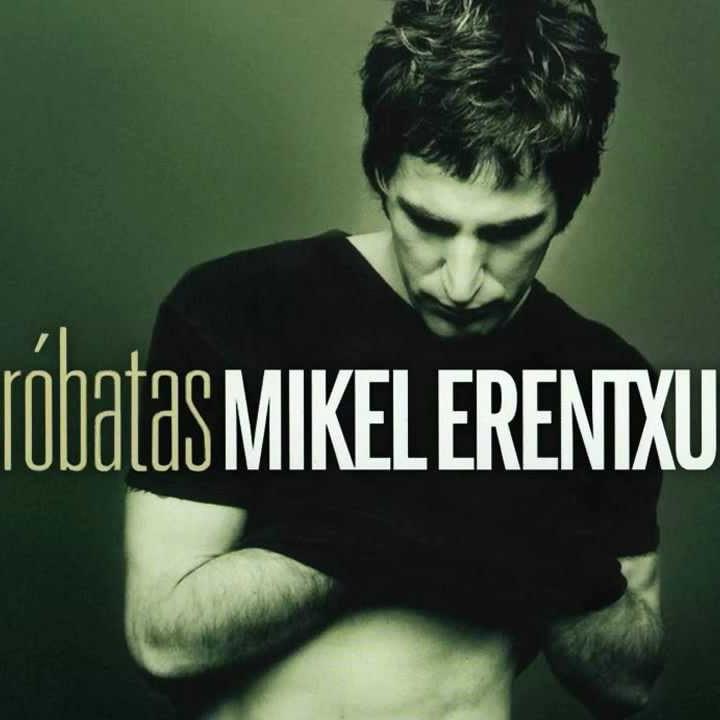
 View Artist