Song Meaning
The lyrics for "Esta vez" immediately drop us into a quiet, heavy scene: a return to "nuestra casa sin ti." The narrator faces a familiar space now hollowed out by absence. Everything, they note, will be "casi igual" – a subtle, devastating distinction that sets the tone for lingering grief.
This sense of absence isn't just physical; it permeates every corner of life. The morning coffee ritual, once a "warm voice," now remains silent, and the "white chords" of the tide no longer stir. Yet, the core tension emerges with the repeated declaration: "Pero sigues aquí." The departed person remains a pervasive, inescapable presence, haunting the mundane.
The narrator tries to exert control, expressing a poignant desire to stop marking time, to "dejar de contar" the days. This attempt to halt the relentless march of grief is immediately undercut by the stark reality of the lingering presence. The contrast between trying to live "like a normal man" and feeling "como muerto real" powerfully illustrates the internal struggle, suggesting a profound emotional numbness beneath the surface of attempted normalcy.
These lyrics are effective because they don't just state grief; they illustrate its insidious, lingering nature. The quiet details – the silent coffee, the unturned calendar pages – ground the abstract pain in tangible, relatable moments. The constant push-pull between the desire to move on and the inescapable presence creates a raw, honest portrayal of loss that resonates deeply, making the listener feel the weight of what's gone and what stubbornly remains.
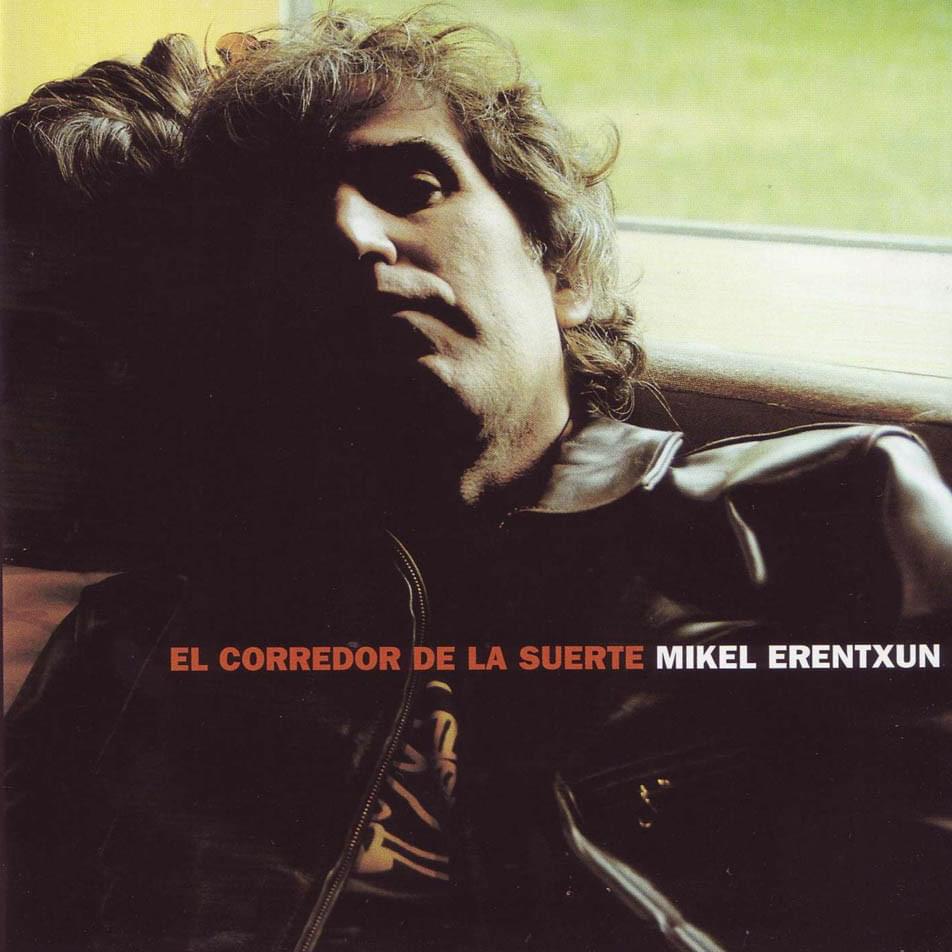
 View Artist