Song Meaning
The lyrics paint a picture of a bustling London, specifically Portobello and Notting Hill, where the narrator revisits a familiar feeling, experienced "en silencio." This quiet presence is juxtaposed with the vibrant "ríos de gente feliz," suggesting an internal experience amidst external activity. A café at teatime and the distant chime of Big Ben further ground the scene, hinting at a contemplative mood, perhaps tinged with the possibility of melancholy as "tal vez se ponga a llover."
There's a palpable tension between action and inaction, particularly in the lines about starting things but not finishing them. This theme is amplified by the idea of a "guiño a la multitud" and the need to explain things "al silencio." It seems the narrator grapples with unspoken thoughts and unexpressed emotions, finding a peculiar confidante in silence itself. The concept of the "mejor viaje" being one never taken, yet being made to doubt that by someone, introduces a complex dynamic of potential regret or missed opportunities.
The most striking aspect is the narrator's relationship with past aspirations. The lyrics reveal a former goal, "mi meta años atrás," which, despite being attainable, was deliberately not pursued. This deliberate avoidance, coupled with the idea of paying tolls for paths never traveled, creates a profound sense of introspection about choices made and the roads not taken. The recurring phrase "en silencio" underscores that these internal struggles and reflections are deeply personal and unvoiced.
Ultimately, the effectiveness of these lyrics lies in their quiet portrayal of internal conflict. The contrast between the lively external world and the narrator's silent contemplation, alongside the exploration of unfulfilled potential and unspoken truths, creates a resonant emotional landscape. The writing doesn't force grand declarations but instead allows the weight of unspoken feelings and past decisions to settle, making the "silencio" a powerful, active element in the narrative.
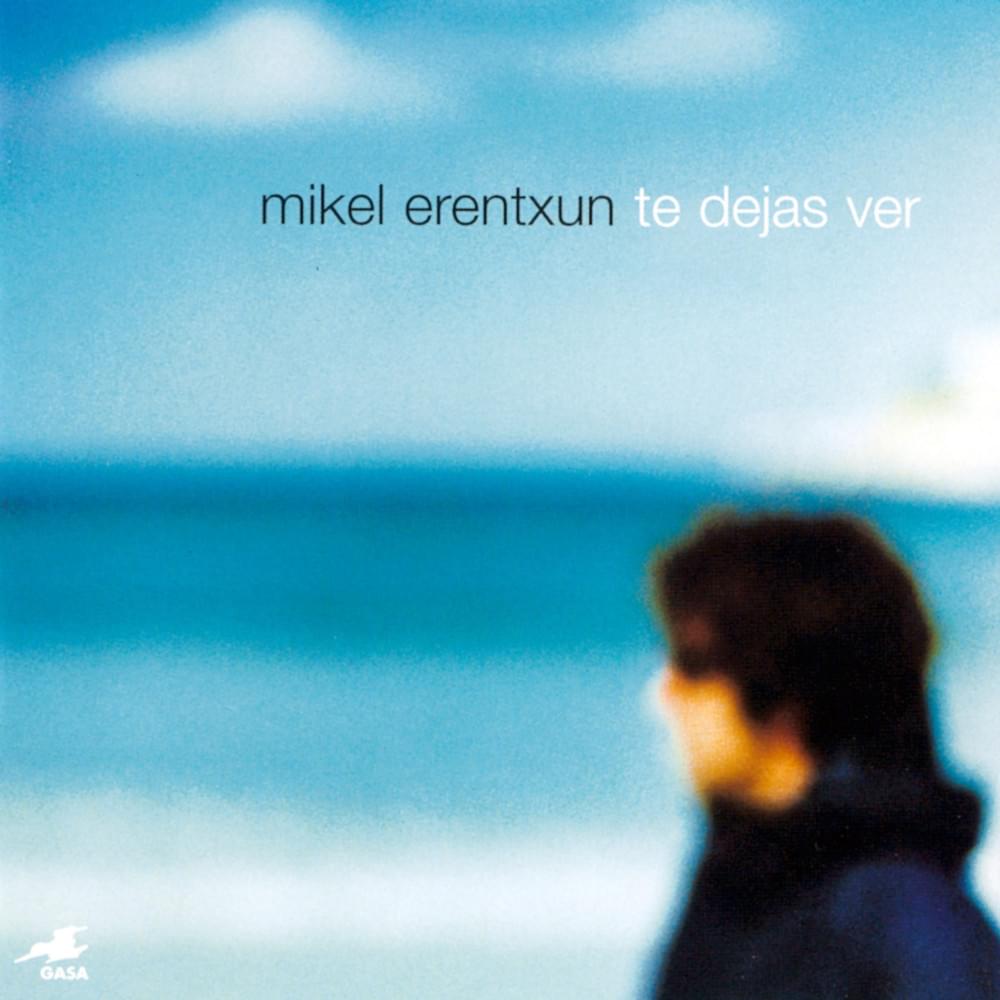
 View Artist