El club de las horas contadas
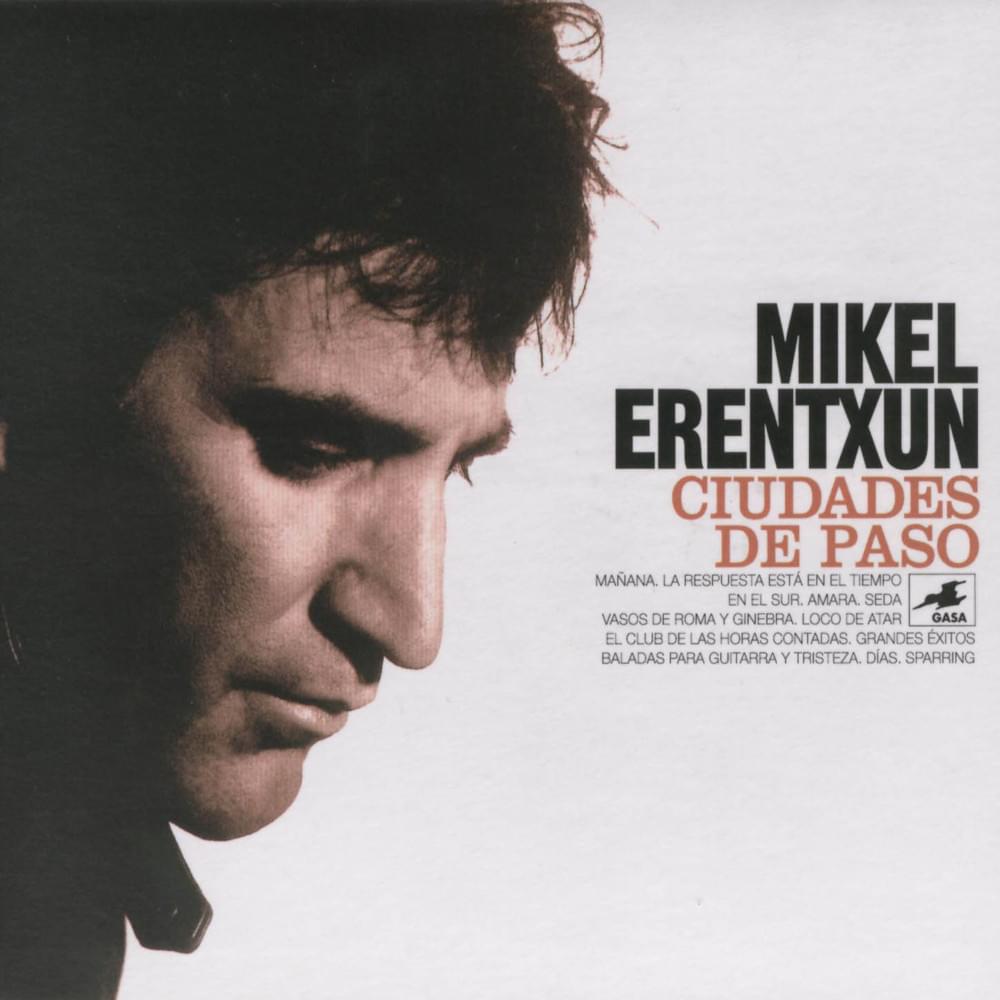
Mikel Erentxun - Pop, En Español
El club de las horas contadas
0 Plays
Duration: 4:17
 View Artist
Lyrics
Language:
Por primera vez en mi vida Sé a donde quiero llegar Por primera vez en mi vida Elijo cuándo quiero llegar He cambiado mi pasado de plomo Por un futuro sin gravedad He dejado de llamarme nosotros Y tengo un nombre que es de verdad Dejo el club de las horas contadas Donde hace años que el tiempo se acaba La soledad es una ventana Que puede abrir o puedes cerrar Nunca fui un rebelde sin causa Y tuve causas hasta cansar Así que no me arrepiento de nada Que otros lo hagan en mi lugar Dejo el club de las horas contadas Dejo a todos los que me dejaron La soledad es una ventana paciente Que puedes abrir o puedes cerrar
Rate this song
0/5.0 - 0 Ratings
5
0.0% (0)
4
0.0% (0)
3
0.0% (0)
2
0.0% (0)
1
0.0% (0)
Loading comments...
Credits
Credits Not Found