Song Meaning
The lyrics open with a stark contrast: the night's pockets overflow with stars, while the narrator's are empty, "como dos cuevas." This immediate image establishes a deep sense of internal void against a backdrop of external abundance. A plea for help quickly emerges, revealing a speaker caught in a profound emotional bind.
An intimate, almost bittersweet dependence colors the scene. "Malvavisco en la terraza tibia, de tus labios" suggests a fleeting, tender connection, yet this comfort is immediately juxtaposed with "almohada fiel que baña la sal de mis ojos verdes." The imagery points to tears, implying that even in closeness, there's an underlying sorrow or pain. The narrator's repeated confession, "no soy buen actor," underscores a raw vulnerability, admitting to a pretense that can no longer be maintained.
The core tension escalates with the desperate plea, "sálvame, sálvame, de mí, de mí, de mí." This triple repetition of "de mí" is crucial, suggesting the narrator's greatest struggle isn't with an external force, but with their own self-destructive patterns or overwhelming dependence. The lines "hasta hoy he confiado en ti" and "no fui capaz de prescindir de ti" reinforce this deep-seated reliance, which has seemingly bound their "voluntad atada."
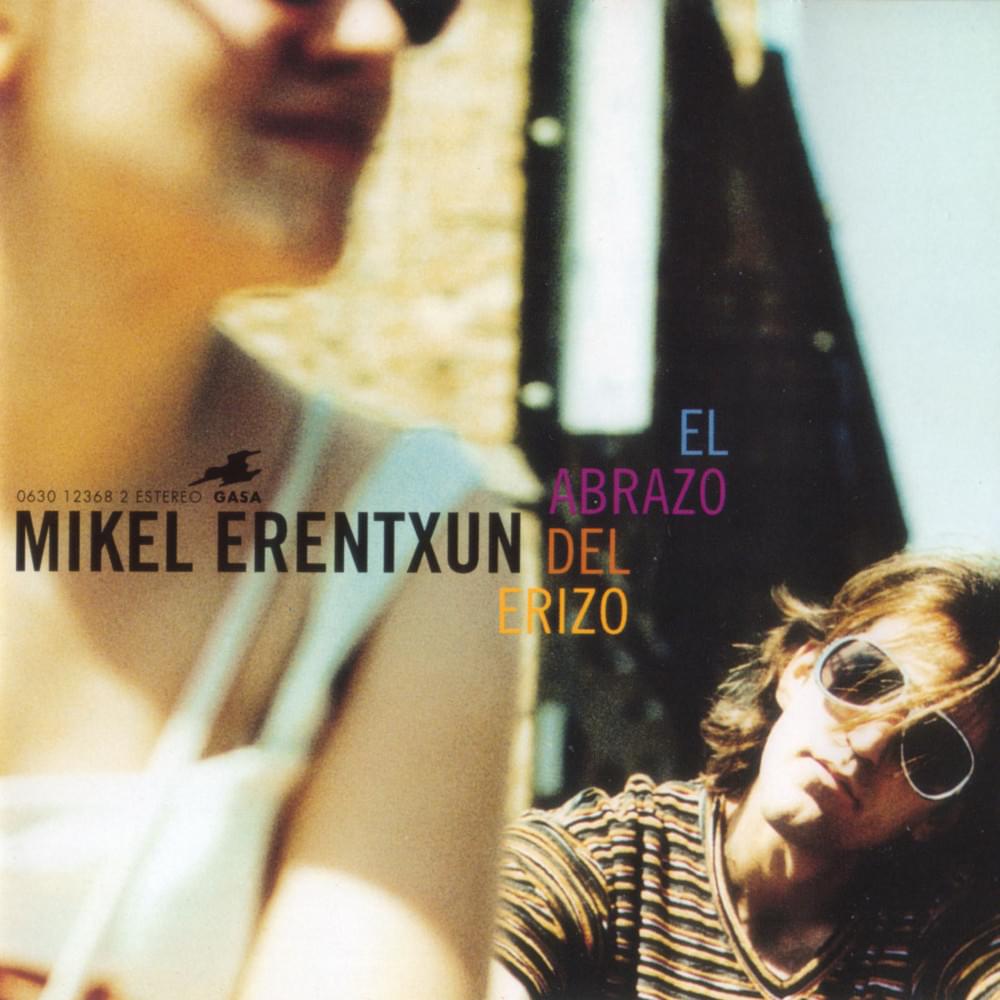
The lyrics culminate in a powerful, almost paradoxical resolution. Despite the confessed inability to break free, the narrator declares, "Trataré de vivir con mis dos manos libres." This resolve, however, is immediately tempered by the haunting final image: "Y aunque el abrazo de un erizo Sea lo mismo que perderte..." This striking metaphor suggests that either the act of seeking freedom (the "abrazo de un erizo" of self-reliance) is as painful as losing the other person, or that the very closeness with the other person is inherently prickly and damaging. The effectiveness lies in this unresolved, painful choice, leaving the listener with the weight of a necessary, yet agonizing, separation or transformation.
 View Artist